Hey there! I’m a supplier of carbon steel pipes and tubes, and I’ve been in this business for quite a while. One of the most common questions I get from my customers is how to test the quality of carbon steel pipes and tubes. Well, in this blog post, I’m gonna share with you some of the key methods and techniques that I use to ensure the quality of the products I supply. Carbon Steel Pipe and Tube
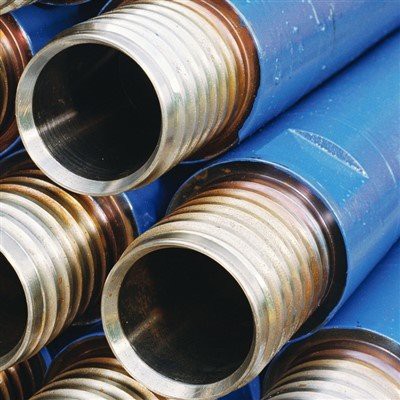
First off, let’s talk about the visual inspection. This is probably the most basic and straightforward way to check the quality of carbon steel pipes and tubes. When you receive a batch of pipes, the first thing you should do is take a good look at them. Check for any visible defects like cracks, scratches, dents, or rust. Cracks can seriously weaken the structural integrity of the pipe, and scratches or dents might lead to stress concentration points, which could cause the pipe to fail under pressure. Rust, on the other hand, can eat away at the metal over time, reducing the pipe’s lifespan.
Another important visual aspect is the surface finish. A smooth surface finish is usually a sign of a well – manufactured pipe. Rough surfaces can indicate poor manufacturing processes or the presence of impurities. You can run your hand along the surface of the pipe to feel for any irregularities. If the pipe has a rough or uneven texture, it might not meet the quality standards.
Next up is the dimensional inspection. Carbon steel pipes and tubes need to meet specific size requirements. You’ll need to measure the outer diameter, inner diameter, and wall thickness of the pipes. For the outer diameter, you can use a caliper. Make sure to measure at several points along the length of the pipe because there could be slight variations. The inner diameter can be measured using an internal caliper or a bore gauge. The wall thickness is also crucial, as it affects the pipe’s strength and pressure – bearing capacity. You can use a ultrasonic thickness gauge to measure the wall thickness accurately. If the dimensions of the pipe don’t match the specified standards, it might not be suitable for your application.
Now, let’s move on to the mechanical testing. Tensile testing is one of the most important mechanical tests for carbon steel pipes. In a tensile test, a sample of the pipe is pulled until it breaks. This test measures the pipe’s tensile strength, yield strength, and elongation. Tensile strength is the maximum stress the pipe can withstand before breaking, while yield strength is the stress at which the pipe starts to deform permanently. Elongation measures how much the pipe stretches before it breaks. These properties are important because they determine how well the pipe can handle pressure and load.
Hardness testing is another useful mechanical test. There are several methods for hardness testing, such as the Brinell, Rockwell, and Vickers tests. These tests measure the resistance of the pipe’s surface to indentation. A pipe with the right hardness is less likely to be damaged during handling and installation. If the hardness is too low, the pipe might be easily scratched or deformed. On the other hand, if the hardness is too high, the pipe could be brittle and prone to cracking.
Chemical analysis is also a vital part of quality testing. Carbon steel is made up of different elements, and the proportion of these elements can significantly affect the pipe’s properties. For example, carbon content affects the hardness and strength of the steel. Too much carbon can make the steel brittle, while too little can make it too soft. Other elements like manganese, sulfur, and phosphorus also play important roles. You can use methods like spectrometry to analyze the chemical composition of the pipe. By ensuring that the chemical composition meets the specified standards, you can be confident that the pipe will perform as expected.
Non – destructive testing (NDT) is a set of techniques that can detect internal defects in the pipe without damaging it. One of the most common NDT methods is ultrasonic testing. Ultrasonic waves are sent through the pipe, and any internal flaws like cracks or voids will cause the waves to reflect differently. This allows you to detect the presence and location of defects. Another NDT method is magnetic particle testing, which is mainly used for ferromagnetic materials like carbon steel. In this test, a magnetic field is applied to the pipe, and iron particles are spread on the surface. If there are any cracks or defects, the magnetic field will cause the particles to gather at those locations, making the defects visible.
Hydrostatic testing is also a crucial test for carbon steel pipes. In a hydrostatic test, the pipe is filled with water and pressurized to a specified level. This test checks the pipe’s ability to withstand internal pressure without leaking. It can detect any leaks or weaknesses in the pipe’s joints or walls. The pressure is usually maintained for a certain period of time to ensure the integrity of the pipe.
So, there you have it! These are some of the main methods to test the quality of carbon steel pipes and tubes. As a supplier, I always make sure that all the pipes and tubes I supply go through these tests to ensure their quality.

If you’re in the market for high – quality carbon steel pipes and tubes, I’d love to have a chat with you. Whether you’re a small business or a large corporation, I can provide you with the right products for your needs. Just reach out to me, and we can start discussing your requirements.
API 5CT Casing Pipe References:
- "Metallurgy for the Non – Metallurgist" by John D. Verhoeven
- "Piping Handbook" by George H. Breen and E. W. McAllister
Hebei Yongqiang Pipeline Co., Ltd
We’re professional carbon steel pipe and tube manufacturers and suppliers in China, specialized in providing high quality customized service. We warmly welcome you to buy or wholesale high-grade carbon steel pipe and tube from our factory.
Address: Room 102, Unit 2, Building 11, Longfengfuyuan, Yanshan County, Hebei Province, China
E-mail: johnny@yqpipeline.com
WebSite: https://www.hbyqpipeline.com/
