Does herb and fruit powder have a shelf – life?
As a supplier of herb and fruit powder, I often encounter questions from customers about the shelf – life of our products. It’s a crucial topic, not only for the quality and safety of the powders but also for the economic aspects of both our business and our clients’. Herb and Fruit Powder

Let’s first understand what shelf – life means. Shelf – life refers to the length of time that a product can be stored under specific conditions while maintaining its quality, safety, and efficacy. For herb and fruit powders, this concept is of utmost importance.
Factors Affecting the Shelf – Life of Herb and Fruit Powder
1. Moisture Content
Moisture is the enemy of herb and fruit powders. High moisture levels create a favorable environment for the growth of mold, bacteria, and yeast. When we process herbs and fruits into powders, we aim to reduce their moisture content significantly. However, if the powders are exposed to a humid environment during storage or transportation, they can absorb moisture. For example, in a warehouse with poor humidity control, the relative humidity might be above 60%, which can lead to the clumping of powders and the growth of microorganisms. Once these contaminants start to grow, the quality of the powder deteriorates rapidly, and it may become unfit for consumption.
2. Oxidation
Oxidation is another major factor that affects the shelf – life of herb and fruit powders. Many herbs and fruits contain antioxidants, such as vitamins C and E, and polyphenols. These antioxidants can react with oxygen in the air, leading to a change in color, flavor, and nutritional value. For instance, the green color of matcha powder, which is made from ground green tea leaves, can fade over time due to oxidation. This not only affects the visual appeal of the product but also indicates a loss of some of its beneficial compounds, like catechins.
3. Light Exposure
Light, especially ultraviolet (UV) light, can have a detrimental effect on herb and fruit powders. UV light can break down the chemical components in the powders, including vitamins, pigments, and essential oils. For example, carotenoids in carrot powder can be degraded by UV light, resulting in a loss of their characteristic orange color and nutritional properties. To prevent this, we usually recommend storing our powders in opaque containers or in a dark place.
4. Temperature
Temperature plays a vital role in determining the shelf – life of herb and fruit powders. High temperatures can accelerate chemical reactions, such as oxidation and microbial growth. If the powders are stored in a hot environment, say above 30°C, the rate of deterioration can be much faster compared to storage at a lower temperature, around 10 – 20°C. On the other hand, extremely low temperatures can also cause problems. For some powders, freezing can lead to the formation of ice crystals, which can damage the powder structure and affect its solubility.
Typical Shelf – Life of Herb and Fruit Powders
The shelf – life of herb and fruit powders can vary widely depending on the type of herb or fruit, the processing methods, and the storage conditions. Generally, most of our herb and fruit powders have a shelf – life of 12 to 24 months when stored under optimal conditions.
For example, cinnamon powder, which has natural antimicrobial properties, can last up to 24 months if stored in a cool, dry, and dark place. On the contrary, powders made from highly perishable fruits like strawberries may have a shorter shelf – life of around 12 months, as they are more prone to oxidation and microbial contamination.
Some of our customers may wonder why we provide an expiration date on our products. This is to ensure that our customers are using the powders at their best quality. Consuming powders past their expiration date may not only result in a less pleasant taste and reduced nutritional value but also pose potential health risks if the powders have been contaminated.
How We Ensure the Long Shelf – Life of Our Powders
As a supplier, we take several steps to ensure that our herb and fruit powders have a long and stable shelf – life.
First, we use advanced drying and grinding techniques. Our drying process is carefully controlled to reduce the moisture content of herbs and fruits to a minimum level, usually below 5%. This helps to inhibit the growth of microorganisms and slow down oxidation. For grinding, we use state – of – the – art equipment that can produce fine and homogeneous powders, which are less prone to clumping and have a larger surface area for better preservation.
Second, we pay great attention to packaging. We use high – quality, air – tight, and light – resistant packaging materials. For example, our powders are often packed in aluminum foil bags, which can effectively block oxygen, moisture, and light. Some of our larger orders are also packed in sealed drums with desiccants to further control the moisture inside the container.
Third, we have a strict quality control system. Before the powders leave our factory, we conduct a series of tests, including moisture content analysis, microbial testing, and nutritional analysis. Only the products that meet our high – quality standards are allowed to be shipped to our customers.
Importance of Shelf – Life for Our Customers
Understanding the shelf – life of herb and fruit powders is essential for our customers. For food manufacturers, using powders within their shelf – life ensures the quality and consistency of their final products. If they use expired powders, it can lead to product recalls, which can be very costly in terms of money and reputation.
For consumers, using fresh and high – quality powders is important for their health. Fresh powders contain more nutrients and bioactive compounds, which can provide various health benefits, such as boosting the immune system, improving digestion, and reducing the risk of chronic diseases.
In addition, knowing the shelf – life of the powders helps our customers manage their inventory effectively. They can plan their purchases according to their usage rate and the expiration dates of the products, avoiding unnecessary waste.
Conclusion
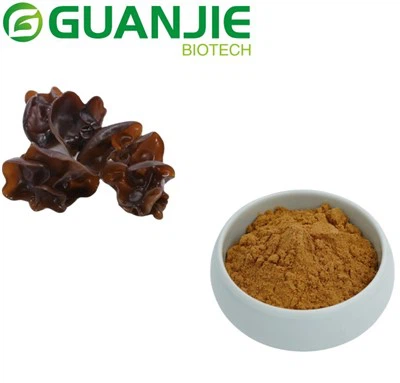
In conclusion, herb and fruit powders do have a shelf – life, and it is influenced by multiple factors such as moisture content, oxidation, light exposure, and temperature. As a responsible supplier, we take every measure to ensure that our powders have a long and stable shelf – life through advanced processing techniques, proper packaging, and strict quality control.
Liposomal Products If you are interested in our herb and fruit powders or have any questions about their shelf – life and other aspects, we welcome you to contact us for further discussion and potential procurement. We are committed to providing you with high – quality products and excellent service.
References
- Food Chemistry textbooks, which provide in – depth knowledge about the chemical reactions and degradation processes in food products, including herb and fruit powders.
- Research papers on food preservation and storage, which offer the latest findings on how different factors affect the shelf – life of food products.
- Industry standards and guidelines for the production and storage of herb and fruit powders, which help us ensure the quality and safety of our products.
Shaanxi Guanjie Biotech Technology Co., Ltd
We’re professional health nutrition ingredients manufacturers and suppliers in China. We warmly welcome you to buy discount health nutrition ingredients for sale here and get free sample from our factory. Quality products and reasonable price are available.
Address: 2nd building, XiJing industrial park , Xi’an,Shaanxi, China
E-mail: info@gybiotech.com
WebSite: https://www.guanjiebio.com/
