Hey everyone, if you’ve ever stared at a stack of fancy art paper in your studio or office supply closet and thought, “Wait, can this stuff actually do origami?” — you’re not alone. As someone who’s been in the art paper game for over 10 years (and I’ll be real, I’ve seen every wild use case for our stock that’s ever been brought up), I’ve fielded this question so many times I almost lost count. Most people assume art paper’s just for framing, printing fancy posters, or wrapping luxury gifts — but origami? That’s a whole other ballpark, and it’s not a one-size-fits-all answer. Today I’m breaking this down like I would for a regular at our warehouse, no stuffy jargon, just real talk about what works, what doesn’t, and why. Art Paper

First, let’s get one thing straight: origami isn’t just that kid stuff with bright construction paper that crumples after two folds. There’s wet-fold origami, modular origami, kirigami (the cutting cousin of origami), even origami for industrial prototypes these days — and each of these needs totally different paper. Art paper, at its core, is just paper made with a specific balance of fiber content, weight, and finish to look good and hold up to printing or handling without fading or tearing easily. But that balance is where the magic (and the confusion) happens. Let’s start with the basics of origami paper first, so we have a reference point. Most standard origami paper is that thin, uncoated rice paper or kami stock — it’s light, folds super sharply, and doesn’t crease permanently when you need to adjust a fold. For a beginner making a paper crane or a simple flower, this is perfect. But if you’re trying to make a bigger piece, like a modular origami star that needs to lock together, or a wet-folded dragon that has curved, detailed shapes, you need paper with a little more substance. That’s where art paper comes in, if you pick the right kind.
Let’s talk about the types of art paper that actually work for origami, because not all art paper is created equal. I’ve seen our customers test tons of our stock, and the clear winners here are our uncoated fine art papers. Specifically, the ones with a 120 gsm to 180 gsm weight range — that’s not too flimsy like a notebook page, not so thick it feels like cardboard when you fold it. Let’s take our cotton-based art paper, for example. Cotton paper is a favorite for printmaking because it’s durable, has a smooth (but not slippery) finish, and doesn’t tear easily when you make sharp folds. Last year, a local origami artist came to the warehouse with a request for custom sheets, and she used our 150 gsm cotton art paper to make a series of large wet-folded lotus flowers for a gallery show. She said the only adjustment she had to make was to score the fold lines lightly with a bone folder before folding, since art paper doesn’t have the “give” of plain kami paper. The end result? The flowers held their curved shapes way better than anything she’d made with standard origami paper — no sagging at the petals after a week of display. That’s the kind of win I live for, right?
Then there’s our matte art paper, the kind that’s great for marketing materials and book covers. A lot of people sleep on this one for origami, but if you’re into modular origami (think those tiny interlocking cubes or geometric sculptures), the matte finish is actually super helpful because it doesn’t slide around when you’re tucking folds together. I remember a customer who makes custom origami lampshades — she uses our 120 gsm matte art paper because it doesn’t wrinkle when you fold the edges to make the frame, and it diffuses the light evenly once it’s assembled. The key here is the weight: anything under 100 gsm is going to be too thin, and you’ll end up with a crumpled mess. Anything over 200 gsm is just too stiff — you’ll be fighting the paper the whole time, and it’ll crack when you make tight folds. I’ve had so many people come back saying “art paper doesn’t work for origami” and they just used a too-heavy stock, that’s all.
Now, let’s get into the stuff you should avoid, because that’s where most people mess up. Coated art paper — like the glossy ones we use for brochures or postcards — is a hard no for origami. The coating is a plastic-like layer that doesn’t bend evenly. If you try to fold glossy art paper, the coating will crack and flake off, leaving little white lines on your piece that look like someone spray-painted it badly. I’ve seen a designer try to make origami wedding place cards with our glossy 250 gsm art paper, and halfway through folding the table number, the fold line just crumbled. It was a total disaster, and she came back later to apologize for wasting a stack of our stock (we gave her a discount on uncoated stuff, obviously). Another no-no is heavy cardstock over 200 gsm, even if it’s uncoated. It’s great for business cards, but folding anything more complex than a simple square is a nightmare. You’ll need pliers to make tight folds, and the paper will almost always split at the crease.
Wait, what about textured art paper? Like the linen or watercolor art paper? I get this question all the time. Watercolor paper is super thick, usually 300 gsm or more, and while it’s durable, it’s too stiff for most origami. I tried making a small origami fox with our 250 gsm watercolor paper once, and the ears just wouldn’t hold their shape — they bent right back out. Linen art paper, though, if it’s around 150 gsm, can work for super bold, statement pieces. A few months ago, a customer used our 150 gsm linen art paper to make origami wall art for a coffee shop — the textured finish gave the folded birds a really rustic, handcrafted look that plain origami paper could never pull off. But if you’re a beginner, I’d steer clear of textured paper at first. The uneven surface makes it harder to line up folds, so you’ll end up with lopsided pieces. Stick to smooth, uncoated art paper for your first tries.
Also, let’s talk about fold technique, because even the best paper won’t make a good origami piece if you’re folding wrong. With standard origami paper, you can just crease with your fingernail, but with art paper, you’ll want to use a bone folder (that little plastic or metal tool origami artists use) to make sharp, clean creases. I always tell people to score the fold lines lightly before folding all the way — that takes a little extra time, but it prevents the paper from splitting. For wet-fold origami, which involves dampening the paper to make curved shapes, art paper works surprisingly well, but you have to be careful not to over-wet it. Coated paper will warp if you get it wet, but uncoated art paper will hold the shape once it dries, as long as you fold it while it’s slightly damp.
Now, I know some of you are thinking, “But why would I use art paper for origami anyway? Regular origami paper is cheaper.” Fair point! If you’re making thousands of paper cranes for a wedding backdrop, you’re not going to drop money on fancy art paper. But if you’re looking for a custom, high-end piece that stands out — like a wedding centerpiece, a commissioned art installation, or custom packaging for a luxury product — art paper is game-changing. The look, the weight, the finish — it adds a level of sophistication that plain kami paper just can’t match. I’ve had clients pay top dollar for origami sculptures we made with our art paper, because they wanted pieces that would be displayed, not crumpled in a drawer.
Here’s the thing, too: we’re not just an art paper supplier — we’re here to help you test stuff. If you’re an origami artist looking to try our stock, we’ll send you free sample packs of different weights and finishes, no strings attached. I’ve spent hours in our warehouse testing paper for origami with customers, and I love seeing the projects they come up with. Last year, a student used our 180 gsm uncoated art paper to make a full-size origami bookshelf for a school art show — it was wild, and it stayed standing for three months without any issues. That’s the kind of creativity I live for, when people take our paper and make something totally unexpected.
So to circle back to the original question: Can art paper be used for origami? The answer is a resounding yes — if you pick the right type. Uncoated, 120–180 gsm art paper, specifically cotton or matte fine art stock, works beautifully for most origami styles, from modular to wet-fold. Coated paper, heavy cardstock, and thick textured paper are best left for other uses. And don’t forget to adjust your technique: use a bone folder, score fold lines, and take your time. The result? Origami pieces that are not only beautiful, but durable enough to display, not just fold and put away.
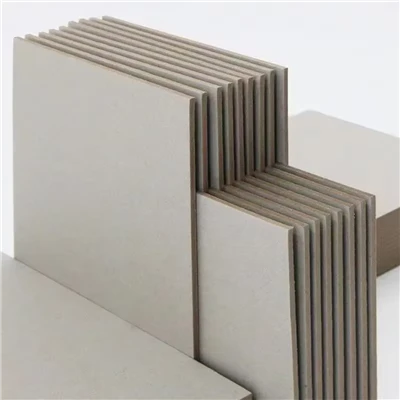
If you’re an origami artist, a designer, or someone just curious about testing art paper for your next project, reach out to us to chat. We can walk you through our stock, send samples, and even give you tips from all the origami projects our customers have made with our paper. Whether you’re making a small decorative piece or a large installation, we’ve got the right art paper for you. Don’t let anyone tell you origami paper has to be a specific kind — sometimes the best projects come from mixing mediums, and art paper is way more versatile than people give it credit for.
C1s Ivory Board References:
- International Origami Center. (2022). Paper Types & Selection for Modern Origami.
- Fine Art Paper Manufacturers Association. (2021). Performance Characteristics of Uncoated Art Paper for Handmade Paper Projects.
- Journal of Paper Engineering. (2020). Foldability of Cellulose-Based Papers for Three-Dimensional Paper Crafts.
Dongguan Banyan Material Co., Ltd.
We are one of the most experienced art paper manufacturers and suppliers in China, also support customized service. Please feel free to wholesale bulk eco-friendly art paper from our factory. Quality products and reasonable price are available.
Address: NO.167, Meijing West Road, Songmushan, Dalang Town, Dongguan City, Guangdong Province, China
E-mail: Sales_chris@yspaper.com
WebSite: https://www.paperyoung.com/
