As a PPR pipe supplier, I’ve been asked about the smoothness of the inner wall of PPR pipes quite often. Smoothness is a crucial factor in the performance and functionality of PPR pipes, and it’s essential to understand its significance, how it’s achieved, and its impact on various applications. PPR Pipe
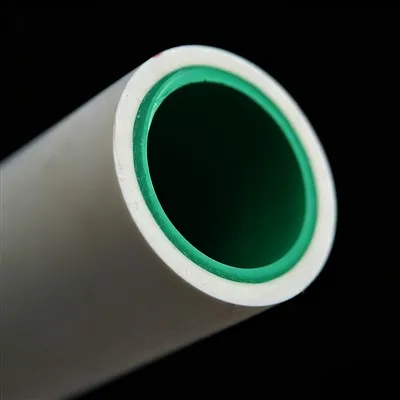
The Significance of Inner Wall Smoothness
The smoothness of the inner wall of PPR pipes plays a vital role in several aspects. Firstly, it directly affects the flow of fluids within the pipes. A smooth inner surface reduces friction, allowing water or other fluids to flow more freely. This means that less energy is required to pump the fluid through the pipes, resulting in lower energy consumption and cost savings. For example, in a large – scale water supply system, even a small reduction in friction can lead to significant long – term savings in pumping costs.
Secondly, a smooth inner wall helps prevent the accumulation of deposits. In water supply systems, minerals and other impurities in the water can form scale over time. A rough inner surface provides more areas for these deposits to adhere to, which can gradually reduce the pipe’s inner diameter and restrict the flow of water. On the other hand, a smooth inner wall makes it more difficult for deposits to stick, maintaining the pipe’s efficiency and extending its service life.
In addition, smooth inner walls are beneficial for maintaining water quality. A rough surface can harbor bacteria and other microorganisms, which can contaminate the water. A smooth inner wall is easier to clean and less likely to support the growth of harmful organisms, ensuring the safety and purity of the water being transported.
How Smoothness is Achieved
The smoothness of PPR pipes is achieved through a combination of high – quality raw materials and advanced manufacturing processes.
PPR, or Polypropylene Random Copolymer, is a high – performance plastic material known for its excellent physical and chemical properties. The quality of the PPR resin used in pipe production is crucial. High – grade PPR resins have a more uniform molecular structure, which contributes to a smoother surface during the extrusion process.
The extrusion process is a key step in manufacturing PPR pipes. During extrusion, the molten PPR resin is forced through a die to form the pipe shape. The design and precision of the die are critical in determining the smoothness of the inner wall. A well – designed die with a polished surface can produce pipes with a very smooth inner wall.
Moreover, the temperature and pressure control during the extrusion process also affect the smoothness. Precise control of these parameters ensures that the resin flows evenly and forms a consistent and smooth inner surface. Quality control measures are also in place throughout the production process. Manufacturers use various inspection techniques, such as visual inspection and surface roughness measurement, to ensure that the pipes meet the required smoothness standards.
Measuring Inner Wall Smoothness
There are several ways to measure the smoothness of the inner wall of PPR pipes. One common method is to use a surface roughness tester. This device measures the microscopic irregularities on the surface of the pipe. The results are usually expressed in terms of Ra (arithmetical mean deviation of the profile). A lower Ra value indicates a smoother surface.
Another way to assess smoothness is through visual inspection. A smooth inner wall should appear uniform and free of visible scratches, bumps, or other irregularities. In some cases, water flow tests can also be used to indirectly evaluate the smoothness. If the water flows smoothly through the pipe with minimal resistance, it is an indication of a relatively smooth inner wall.
Impact on Different Applications
Residential Water Supply
In residential buildings, PPR pipes with smooth inner walls are essential for a reliable and efficient water supply. They ensure a consistent water flow to faucets, showers, and other fixtures. The smooth surface also helps prevent blockages and maintains water pressure, providing a better user experience. Additionally, the smooth inner wall helps keep the water clean and free of contaminants, which is crucial for the health and safety of the residents.
Industrial Applications
In industrial settings, where large – volume fluid transportation is required, the smoothness of PPR pipes is even more critical. For example, in chemical processing plants, smooth inner walls prevent the build – up of chemical residues, which can corrode the pipes and affect the quality of the products. In cooling water systems, smooth pipes ensure efficient heat transfer and reduce the risk of fouling, which can lead to equipment failure.
Agricultural Irrigation
In agricultural irrigation systems, PPR pipes with smooth inner walls are beneficial for delivering water to crops. The smooth surface allows for a more uniform distribution of water, reducing the risk of clogging in the irrigation emitters. This ensures that the crops receive an adequate and consistent supply of water, promoting healthy growth.
Maintaining Inner Wall Smoothness
To maintain the smoothness of the inner wall of PPR pipes, proper installation and maintenance are essential. During installation, care should be taken to avoid scratching or damaging the inner wall. Pipes should be handled gently, and the use of sharp tools near the inner surface should be avoided.
Regular maintenance also plays a role. Flushing the pipes periodically can help remove any accumulated debris or deposits. In some cases, water treatment methods, such as filtration and softening, can be used to reduce the amount of minerals and impurities in the water, further protecting the smoothness of the inner wall.
Conclusion
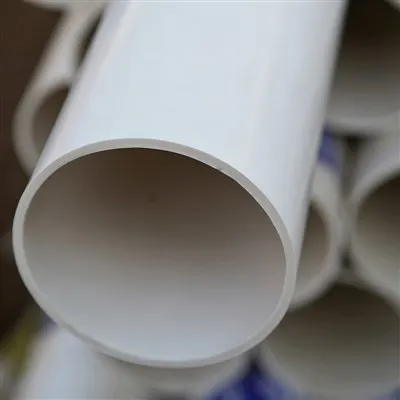
In conclusion, the smoothness of the inner wall of PPR pipes is a critical factor that affects their performance, efficiency, and service life. As a PPR pipe supplier, we are committed to providing high – quality pipes with smooth inner walls. Our pipes are manufactured using the latest technology and high – grade materials to ensure optimal smoothness.
PERT Pipe If you are in the market for PPR pipes, whether for residential, industrial, or agricultural applications, we invite you to contact us for a detailed discussion. We can provide you with more information about our products, answer your questions, and offer customized solutions to meet your specific needs. Let’s work together to ensure a reliable and efficient fluid transportation system.
References
- Smith, J. (2018). "The Importance of Pipe Inner Wall Smoothness in Fluid Transport Systems". Journal of Plumbing Engineering.
- Johnson, A. (2019). "Manufacturing Processes for High – Quality PPR Pipes". Plastic Pipe Manufacturing Review.
- Brown, C. (2020). "Maintenance Strategies for PPR Pipes to Preserve Inner Wall Smoothness". Water Supply and Sanitation Journal.
Hebei Ruijie Pipe Industry Co., Ltd.
Hebei Ruijie Pipe Industry Co., Ltd. is one of the most experienced PPR pipe manufacturers and suppliers in China. With a professional production team, we are able to meet the needs of the majority of our customers. Welcome to wholesale high quality PPR pipe in stock here from our factory. Contact us for pricelist and free sample.
Address: Industrial Park, Shaozhuang Township, Suning County, Cangzhou City, Hebei Province
E-mail: 1987870474@qq.com
WebSite: https://www.rjpprpipe.com/
