As a supplier of insulation resistance testers, I often receive inquiries from customers about the suitability of our products for outdoor environments. This is a crucial question, as many industries, such as construction, power distribution, and telecommunications, require reliable insulation testing in outdoor settings. In this blog post, I will explore the factors that determine whether an insulation resistance tester can be used outdoors and provide insights into the features and considerations to keep in mind. Insulation Resistance Tester

Understanding the Basics of Insulation Resistance Testing
Before delving into the outdoor use of insulation resistance testers, it’s essential to understand the fundamentals of insulation resistance testing. Insulation resistance is a measure of the electrical resistance of an insulating material. A high insulation resistance indicates that the material is effectively preventing the flow of electric current, while a low resistance may suggest the presence of moisture, contaminants, or damage to the insulation.
Insulation resistance testers work by applying a known voltage to the insulation and measuring the resulting current. Using Ohm’s Law (R = V/I), the tester calculates the insulation resistance. These testers are commonly used to assess the condition of electrical equipment, wiring, and insulation in various applications.
Factors Affecting the Use of Insulation Resistance Testers Outdoors
Several factors need to be considered when using an insulation resistance tester in an outdoor environment. These factors can significantly impact the accuracy and reliability of the test results, as well as the durability of the tester itself.
Environmental Conditions
Outdoor environments are subject to a wide range of environmental conditions, including temperature, humidity, and precipitation. Extreme temperatures can affect the performance of the insulation resistance tester, as well as the insulation being tested. High temperatures can cause the insulation to expand and become more conductive, while low temperatures can make the insulation more brittle and prone to cracking.
Humidity is another critical factor, as moisture can penetrate the insulation and reduce its resistance. Precipitation, such as rain, snow, or fog, can also introduce moisture into the system, leading to inaccurate test results. In addition, exposure to sunlight and ultraviolet radiation can cause the insulation to degrade over time, further affecting its resistance.
Dust and Debris
Outdoor environments are often dusty and dirty, with the presence of dirt, sand, and other debris. These particles can accumulate on the insulation and the tester’s probes, affecting the contact between the probes and the insulation. This can lead to inaccurate test results or even damage to the tester.
Vibration and Shock
Outdoor equipment is subject to vibration and shock, which can occur due to machinery, vehicles, or natural phenomena such as earthquakes. These vibrations and shocks can cause the components of the insulation resistance tester to become loose or damaged, affecting its performance.
Electrical Interference
Outdoor environments may be subject to electrical interference from nearby power lines, electrical equipment, or radio frequency sources. This interference can cause noise in the test results, making it difficult to obtain accurate readings.
Features to Look for in an Outdoor-Ready Insulation Resistance Tester
To ensure reliable and accurate insulation resistance testing in outdoor environments, it’s important to choose a tester that is specifically designed for outdoor use. Here are some key features to look for:
Weatherproof Design
A weatherproof design is essential for protecting the tester from the elements. Look for a tester that is rated for outdoor use and has a sealed enclosure to prevent moisture, dust, and debris from entering the unit. The tester should also be able to withstand extreme temperatures and humidity.
Rugged Construction
Outdoor environments can be harsh, so a rugged construction is necessary to ensure the durability of the tester. Look for a tester that is made from high-quality materials and has a robust design to withstand vibration, shock, and impact.
Long Battery Life
Outdoor testing may require the tester to be used for extended periods of time, so a long battery life is important. Look for a tester that has a rechargeable battery and a long operating time to ensure that it can be used throughout the day without the need for frequent recharging.
High Visibility Display
A high visibility display is essential for outdoor use, as it allows the user to easily read the test results in bright sunlight or low light conditions. Look for a tester that has a large, clear display with high contrast and backlighting.
Resistance to Electrical Interference
To ensure accurate test results in the presence of electrical interference, look for a tester that has built-in shielding and filtering to reduce noise and interference.
Tips for Using an Insulation Resistance Tester Outdoors
In addition to choosing a suitable tester, there are several tips that can help ensure accurate and reliable insulation resistance testing in outdoor environments.
Prepare the Equipment
Before starting the test, make sure the insulation resistance tester is properly calibrated and in good working condition. Check the probes for any damage or contamination and clean them if necessary.
Choose the Right Test Location
Select a test location that is away from sources of electrical interference, such as power lines and electrical equipment. The location should also be dry and free from dust and debris.
Protect the Tester
Use a protective case or cover to protect the tester from the elements and prevent damage. Make sure the case is properly sealed to prevent moisture and dust from entering the unit.
Take Multiple Readings
To ensure the accuracy of the test results, take multiple readings at different locations and times. This can help identify any variations in the insulation resistance and provide a more comprehensive assessment of the insulation condition.
Follow Safety Procedures
When using an insulation resistance tester outdoors, it’s important to follow all safety procedures to prevent electrical shock and other hazards. Make sure the equipment is properly grounded and that the user is wearing appropriate personal protective equipment.
Conclusion
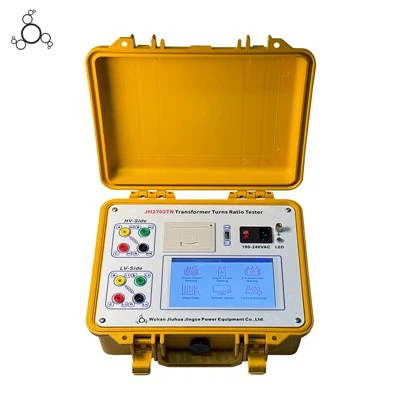
In conclusion, an insulation resistance tester can be used in outdoor environments, but it’s important to choose a tester that is specifically designed for outdoor use and to take the necessary precautions to ensure accurate and reliable test results. By considering the environmental conditions, choosing the right features, and following the tips outlined in this blog post, you can effectively use an insulation resistance tester to assess the condition of electrical equipment and insulation in outdoor settings.
Transformer Insulation Resistance Tester If you’re in the market for an insulation resistance tester for outdoor use, I encourage you to contact us to discuss your specific requirements. Our team of experts can help you choose the right tester for your application and provide you with the support and guidance you need to ensure successful testing. We look forward to working with you to meet your insulation testing needs.
References
- Electrical Safety Foundation International. (n.d.). Insulation Resistance Testing. Retrieved from https://www.esfi.org/safety-topics/electrical-safety-for-professionals/insulation-resistance-testing
- Fluke Corporation. (n.d.). Insulation Resistance Testing: A Guide to Measuring Insulation Resistance. Retrieved from https://www.fluke.com/en-us/learn/blog/electrical/insulation-resistance-testing
- Megger Group Limited. (n.d.). Insulation Resistance Testing. Retrieved from https://www.megger.com/global/en/knowledge/insulation-resistance-testing/
Wuhan Jiuhua Jingce Power Equipment Co., Ltd.
As one of the most experienced insulation resistance tester manufacturers in China, we offer a wide range of products with superior quality. Please feel free to wholesale bulk durable insulation resistance tester from our factory. For price consultation, contact us.
Address: 601,Unit 1,Building D4-02,Optics Valley Center,303 OpticsValley Avenue,Wuhan
E-mail: market@wuhanjhjc.com
WebSite: https://www.powertransformertester.com/
