In the realm of electronic products, those equipped with high – precision components stand out due to their technological sophistication and delicate nature. As a dedicated electronic product packaging supplier, I’ve witnessed firsthand the critical role that appropriate packaging plays in safeguarding these high – precision treasures. In this blog, I’ll delve into the various packaging requirements for such electronic products. Electronic Product Packaging

Protection Against Mechanical Damages
High – precision components are extremely vulnerable to mechanical impacts. Even the slightest shock during transportation or handling can cause misalignment of internal parts, breakage of fine circuits, or damage to sensitive sensor elements. To address this, our packaging solutions often incorporate multi – layer cushioning materials.
Foam plastics, such as expanded polystyrene (EPS) and expanded polypropylene (EPP), are our go – to choices. EPS is lightweight and has excellent shock – absorbing properties. It can be molded into custom shapes to fit the specific contours of the electronic products. This ensures that the product remains firmly in place within the packaging, minimizing the risk of movement and subsequent impact. EPP, on the other hand, offers enhanced resilience and is more environmentally friendly. It can endure multiple impacts without significant loss of its cushioning ability, making it suitable for products that may undergo rough handling during the logistics process.
In addition to foam materials, corrugated cardboard inserts also play an important role. They can be designed in a way that creates compartments for different parts of the electronic device. This not only provides additional support but also helps in organizing the product components neatly. For example, in the packaging of high – precision cameras, corrugated cardboard dividers separate the camera body, lenses, and other accessories, preventing them from colliding with each other.
Shielding from Electrostatic Discharges
Electrostatic discharges (ESD) pose a major threat to high – precision electronic components. A sudden electrostatic shock can damage integrated circuits, disrupt the normal operation of sensors, and even cause permanent failures. Therefore, our packaging materials are carefully selected to have anti – static properties.
We use anti – static films and bags, which are made from materials with low surface resistivity. These films can effectively dissipate static charges, preventing the build – up of electrostatic fields around the product. For larger electronic products, anti – static foam liners are employed. These liners not only provide cushioning but also act as a barrier against ESD.
Moreover, we ensure that the entire packaging environment is ESD – friendly. This includes using ESD – safe corrugated cardboard boxes. The cardboard is treated with special additives to reduce the generation and accumulation of static electricity. When the electronic products are placed inside these boxes, they are protected from both internal and external ESD sources.
Resistance to Environmental Factors
Electronic products with high – precision components are also sensitive to environmental conditions such as humidity, temperature, and dust.
Humidity Control: Excessive humidity can cause corrosion of metal parts, short – circuits in printed circuit boards, and degradation of some electronic materials. To combat this, we use moisture – resistant packaging materials. Silica gel desiccants are often placed inside the packaging to absorb excess moisture. For products that require long – term storage or transportation in high – humidity areas, we may use sealed packaging with a moisture barrier film. This film prevents moisture from entering the package, keeping the internal environment dry.
Temperature Regulation: Extreme temperatures can affect the performance and lifespan of high – precision components. For products that are likely to be exposed to a wide range of temperatures, our packaging may include insulation materials. For example, in the case of some high – end medical electronic devices that need to be transported in different climates, we use insulated foam layers to maintain a relatively stable internal temperature. Additionally, phase – change materials can be incorporated into the packaging. These materials can absorb or release heat during temperature fluctuations, helping to keep the product within a safe temperature range.
Dust Protection: Dust particles can accumulate on the surface of electronic components, causing abrasion, interference with moving parts, and blockage of ventilation holes. Our packaging solutions include dust – proof enclosures. Tightly sealed boxes and covers prevent dust from entering. In some cases, we use micro – porous filters in ventilation areas of the packaging to allow air circulation while blocking dust particles.
Compatibility with Product Design and Functionality
The packaging must be compatible with the design and functionality of the high – precision electronic product. It should neither interfere with the normal operation of the product nor affect its long – term performance.
Our packaging is designed to allow easy access to product controls and interfaces. For example, in the packaging of smartwatches, the layout is designed in such a way that the user can view the watch face clearly and operate the buttons without having to remove the watch from the packaging completely. This is important for product demonstrations and initial user experience.
In addition, the packaging should not cause any chemical reactions with the product. We test our packaging materials to ensure that they do not release any harmful substances that could damage the electronic components. This is especially important for products that are in direct contact with the packaging for extended periods, such as in – ear headphones.
Aesthetics and Branding
While protection is the primary concern, aesthetics and branding also play a significant role in the packaging of high – precision electronic products.
The appearance of the packaging can enhance the perceived value of the product. We work closely with our clients to design packaging that reflects the brand image and style. High – quality printing, embossing, and debossing techniques are used to create eye – catching packaging. For luxury electronic products, we may use premium materials such as high – grade cardboard, leather – like finishes, or metallic accents to give the packaging a luxurious look.
Branding elements such as logos, slogans, and product information are prominently displayed on the packaging. This helps in brand recognition and marketing. A well – branded package can attract customers and differentiate the product from competitors in the market.
Ease of Assembly and Disassembly
The packaging should be easy to assemble and disassemble. For our clients, easy assembly means lower labor costs and higher efficiency during the packaging process. We design our packaging in a way that it can be quickly put together without the need for complex tools or extensive training.
On the customer side, easy disassembly enhances the user experience. Customers should be able to open the packaging easily without causing any damage to the product or the packaging itself. This is especially important for high – precision electronic products, as any rough handling during unpacking could potentially damage the delicate components.
Sustainability
In today’s environmentally conscious world, sustainability is an important factor in packaging design. As an electronic product packaging supplier, we are committed to using eco – friendly materials and reducing waste.
We source packaging materials from sustainable suppliers. For example, we use recycled corrugated cardboard and biodegradable plastics whenever possible. These materials not only reduce the environmental impact but also meet the growing demand from customers for sustainable products.
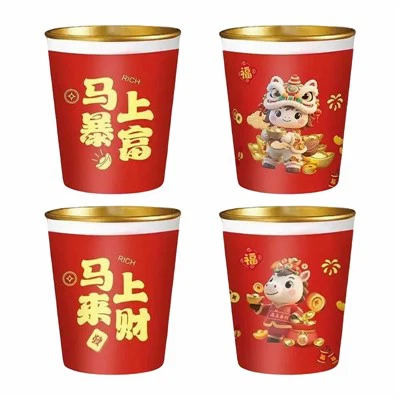
In addition, we optimize the packaging design to minimize the amount of materials used. Through careful engineering, we can create packaging that provides adequate protection while using less material. This not only saves resources but also reduces shipping costs.
Luxury Gift Box In conclusion, the packaging requirements for electronic products with high – precision components are complex and multifaceted. As a professional packaging supplier, we strive to meet these requirements through innovative design, high – quality materials, and a focus on sustainability. If you are looking for reliable and customized packaging solutions for your high – precision electronic products, I encourage you to reach out to us for a procurement discussion. We are ready to work with you to develop the best packaging solutions that meet your specific needs.
References
- "Handbook of Electronic Packaging Technology" by Richard A. Rigsbee
- "Packaging for Electronics" by J. C. Harman
- Industry reports on electronic product packaging trends and best practices.
Hefei Maohua Printing Co., Ltd.
As one of the most professional electronic product packaging suppliers in China, we’re featured by quality products and low price. Please rest assured to buy bulk customized electronic product packaging from our factory. If you have any enquiry about cooperation, please feel free to email us.
Address: No.23 Fenglin Road, Shuangfeng Development Zone, Changfeng County, Hefei City, Anhui Province (Second Floor, West Side Of Building No.4, Wangzhongwang Bee Industry Compound)
E-mail: 470373924@qq.com
WebSite: https://www.hefeimaohua.com/
