What is the power consumption of a Double Moving Plate Cold Press?
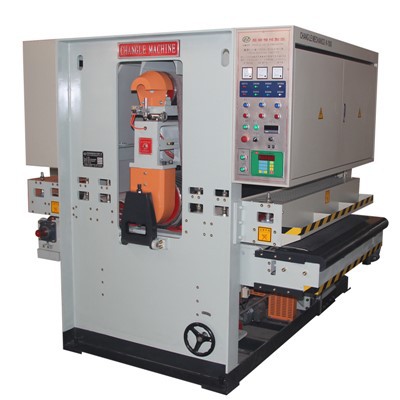
As a supplier of Double Moving Plate Cold Presses, I often encounter questions from potential customers about the power consumption of these machines. Understanding the power consumption is crucial for businesses, as it directly impacts operational costs and energy efficiency. In this blog post, I will delve into the factors that influence the power consumption of a Double Moving Plate Cold Press, how to calculate it, and some tips on reducing it. Double Moving Plate Cold Press
Factors Influencing Power Consumption
Several key factors determine the power consumption of a Double Moving Plate Cold Press. Let’s explore each of these factors in detail.
Machine Size and Capacity
The size and capacity of the cold press play a significant role in power consumption. Larger machines with higher pressing capacities generally require more power to operate. This is because they need to generate greater force to compress the materials effectively. For example, a cold press designed to handle large volumes of materials or those with high density will have larger motors and hydraulic systems, which consume more electricity.
Pressing Force and Pressure
The pressing force and pressure settings of the cold press are directly related to power consumption. When the machine is set to apply a higher pressing force, more energy is required to drive the hydraulic system and move the plates. Therefore, users should carefully consider the required pressing force for their specific application to avoid over – setting and unnecessary power consumption.
Operational Speed
The speed at which the Double Moving Plate Cold Press operates also affects power consumption. Faster operation speeds typically demand more power, as the machine needs to move the plates more quickly. However, in some cases, it may be possible to optimize the speed to achieve a balance between productivity and energy efficiency.
Nature of the Material Being Pressed
The physical properties of the material being pressed, such as its density, hardness, and moisture content, can influence power consumption. Dense and hard materials often require more force to compress, resulting in higher power usage. Additionally, materials with high moisture content may require longer pressing times or higher pressures, which also increase energy consumption.
Calculating Power Consumption
To estimate the power consumption of a Double Moving Plate Cold Press, you need to consider the power rating of the machine’s motor and the operating time. The power rating of the motor is usually specified by the manufacturer in kilowatts (kW).
The basic formula for calculating energy consumption is:
Energy Consumption (kWh) = Power Rating (kW) × Operating Time (h)
For example, if the motor of a Double Moving Plate Cold Press has a power rating of 5 kW and it operates for 8 hours a day, the daily energy consumption would be:
Energy Consumption = 5 kW × 8 h = 40 kWh
However, this is a simplified calculation. In real – world scenarios, the actual power consumption may vary depending on the factors mentioned above. For instance, during the start – up phase, the motor may draw a higher current (inrush current), which increases the power consumption for a short period.
Real – World Examples
Let’s consider a few real – world scenarios to better understand the power consumption of Double Moving Plate Cold Presses.
Small – Scale Production
In a small – scale woodworking workshop, a Double Moving Plate Cold Press with a relatively low – power motor (e.g., 3 kW) may be used. If this press operates for 4 hours a day, the daily power consumption would be approximately 3 kW × 4 h = 12 kWh.
Medium – Scale Manufacturing
In a medium – scale furniture manufacturing plant, a larger cold press with a 7.5 – kW motor might be in operation. If it runs for 6 hours a day, the daily energy consumption could be around 7.5 kW × 6 h = 45 kWh.
Large – Scale Industrial Application
In a large – scale industrial setting, where a high – capacity cold press with a 15 – kW motor is used for continuous production, operating 10 hours a day, the daily power consumption would be 15 kW × 10 h = 150 kWh.
Tips for Reducing Power Consumption
As a supplier, I understand that reducing power consumption is not only beneficial for the environment but also for the bottom line of our customers. Here are some tips on how to reduce the power consumption of a Double Moving Plate Cold Press:
Optimize Pressing Parameters
Ensure that the pressing force, pressure, and speed are set to the minimum values required for the specific material and application. Avoid over – setting these parameters, as it can lead to unnecessary power consumption.
Regular Maintenance
Regular maintenance of the cold press is essential to keep it operating at peak efficiency. This includes checking and lubricating the moving parts, inspecting the hydraulic system for leaks, and ensuring that the electrical components are in good condition. A well – maintained machine will consume less power.
Use Energy – Efficient Components
When possible, choose a cold press that is equipped with energy – efficient motors and hydraulic systems. These components are designed to consume less power while still providing the necessary performance.
Implement Smart Control Systems
Some modern cold presses are available with smart control systems that can automatically adjust the operating parameters based on the material being pressed. These systems can optimize the power consumption by reducing the unnecessary use of energy.
Conclusion
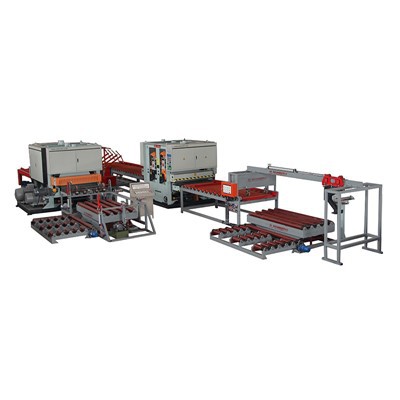
The power consumption of a Double Moving Plate Cold Press is influenced by several factors, including machine size, pressing force, operating speed, and the nature of the material being pressed. By understanding these factors and following the tips for reducing power consumption, businesses can minimize their energy costs and improve their overall efficiency.
Hot-press for Plywood If you are in the market for a Double Moving Plate Cold Press and want to learn more about our products, including their power consumption characteristics, I encourage you to reach out to us for procurement discussions. We can provide you with detailed information and help you select the most suitable cold press for your specific needs.
References
- Machinery Handbook: A comprehensive guide to industrial machinery operations and specifications, which provides insights into the power requirements of various types of presses.
- Academic Journals: Research papers on manufacturing and engineering that discuss energy efficiency in pressing equipment.
- Manufacturer’s Documentation: Product manuals and technical specifications provided by the manufacturers of Double Moving Plate Cold Presses, which often include information on power consumption and operating parameters.
Jiashan Changle Machinery Manufacturing Co., Ltd.
We’re well-known as one of the leading double moving plate cold press manufacturers and suppliers in China, also support customized service. Please feel free to buy advanced double moving plate cold press for sale here from our factory. Quality products and punctual delivery are available.
Address: Building 12, Zone A, Wanyang Innovation City, No. 23 Yucao South Road, Ganyao Town, Jiashan County, Jiaxing City, Zhejiang Province
E-mail: Changle84615620@163.com
WebSite: https://www.changlejx.com/
