Masking tape, a versatile adhesive product, has long been a staple in various industries and DIY projects. As a leading masking tape supplier, I’m often asked about the diverse applications of our product. One common question that frequently arises is, "Can masking tape be used on a floor?" In this blog post, I’ll delve into the feasibility, considerations, and best practices of using masking tape on floors. Masking Tape
Understanding Masking Tape
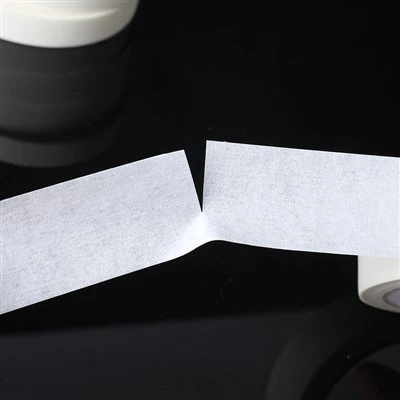
Before we explore its use on floors, it’s essential to understand what masking tape is and how it works. Masking tape typically consists of a paper or plastic backing coated with an adhesive. The backing provides strength and flexibility, while the adhesive allows the tape to stick to various surfaces. The key characteristic of masking tape is its removable nature. It can be easily peeled off without leaving significant residue, making it ideal for temporary applications such as masking off areas during painting, labeling, or protection.
Feasibility of Using Masking Tape on Floors
The short answer is yes, masking tape can be used on floors, but with certain limitations and considerations. Here are some scenarios where using masking tape on floors is appropriate:
1. Painting and Renovation
One of the most common uses of masking tape on floors is during painting or renovation projects. When painting walls, baseboards, or trim, masking tape can be used to create sharp, clean lines on the floor. By carefully applying the tape along the edge of the area you want to protect, you can prevent paint from dripping or splashing onto the floor. This not only saves time on cleanup but also ensures a professional-looking finish.
2. Temporary Marking and Division
In industrial or warehouse settings, masking tape can be used to mark off specific areas on the floor, such as walkways, storage zones, or machinery placement. This helps to organize the space, improve safety, and enhance efficiency. Temporary markings can be easily changed or removed as needed, providing flexibility in layout design.
3. Floor Protection
In some cases, masking tape can be used to protect delicate or newly installed floors from scratches, scuffs, or damage during construction, moving, or other activities. For example, you can apply masking tape to the corners or edges of furniture to prevent it from scratching the floor when it’s being moved.
Considerations When Using Masking Tape on Floors
While masking tape can be a useful tool for floor applications, there are several factors to consider to ensure successful and safe use:
1. Surface Compatibility
Not all floors are suitable for masking tape. The tape’s adhesive may not adhere properly to certain surfaces, such as highly polished or oily floors. Additionally, some types of flooring, such as vinyl, laminate, or hardwood, may be more prone to damage or discoloration if the tape is left on for too long or removed incorrectly. Before applying masking tape to your floor, test a small, inconspicuous area to ensure that the tape adheres well and does not cause any damage.
2. Tape Selection
Choosing the right type of masking tape is crucial for floor applications. There are several factors to consider when selecting tape, including the type of surface, the length of time the tape will be in place, and the level of adhesion required. For short-term applications on smooth floors, a low-tack masking tape may be sufficient. However, for longer-term use or on rough or porous surfaces, a high-tack tape may be necessary to ensure proper adhesion.
3. Application Technique
Proper application technique is essential to ensure that the masking tape adheres well and creates a clean, sharp line. Before applying the tape, make sure the floor surface is clean, dry, and free of dust and debris. Use a straight edge or ruler to guide the tape and ensure a straight, consistent line. Press the tape firmly onto the floor to ensure that it adheres properly, and use a utility knife or scissors to cut the tape neatly at the end of the line.
4. Removal
When it’s time to remove the masking tape, it’s important to do so carefully to avoid damaging the floor. Pull the tape off slowly and at a low angle, parallel to the floor surface. If the tape is difficult to remove, you can use a heat gun or hair dryer to warm the tape slightly, which can help to loosen the adhesive. Avoid pulling the tape off too quickly or at a high angle, as this can cause the tape to tear or leave residue on the floor.
Best Practices for Using Masking Tape on Floors
To ensure the best results when using masking tape on floors, follow these best practices:
1. Prepare the Surface
Before applying the tape, clean the floor surface thoroughly to remove any dirt, dust, or debris. This will help the tape adhere better and reduce the risk of residue. If necessary, use a mild detergent and water to clean the floor, and allow it to dry completely before applying the tape.
2. Choose the Right Tape
Select a masking tape that is specifically designed for floor applications and is compatible with your floor surface. Look for tape with a low-tack adhesive if you need to remove it quickly, or a high-tack adhesive if you need it to stay in place for a longer period. Consider the width and length of the tape, as well as the color and visibility, depending on your specific needs.
3. Apply the Tape Carefully
Take your time when applying the tape to ensure that it is straight and level. Use a straight edge or ruler to guide the tape, and press it firmly onto the floor to ensure good adhesion. Smooth out any bubbles or wrinkles in the tape as you go, and use a utility knife or scissors to trim the tape neatly at the ends.
4. Use a Primer (Optional)
If you are using masking tape on a porous or rough floor surface, you may want to apply a primer before applying the tape. A primer can help to seal the surface and improve the adhesion of the tape. Follow the manufacturer’s instructions for applying the primer, and allow it to dry completely before applying the tape.
5. Remove the Tape Properly
When it’s time to remove the masking tape, do so slowly and carefully to avoid damaging the floor. Pull the tape off at a low angle, parallel to the floor surface, and keep the tape as straight as possible. If the tape is difficult to remove, you can use a heat gun or hair dryer to warm the tape slightly, which can help to loosen the adhesive.
Conclusion
In conclusion, masking tape can be a useful tool for a variety of floor applications, including painting, marking, and protection. However, it’s important to consider the surface compatibility, tape selection, application technique, and removal process to ensure successful and safe use. By following the best practices outlined in this blog post, you can use masking tape on your floors with confidence and achieve professional-looking results.
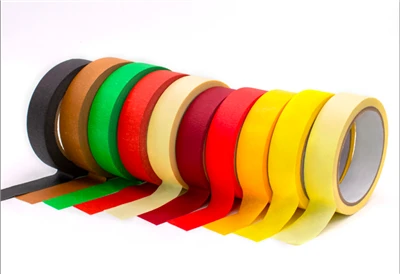
As a leading masking tape supplier, we offer a wide range of high-quality masking tapes suitable for various floor applications. Our tapes are designed to provide excellent adhesion, easy removal, and minimal residue. Whether you’re a professional contractor or a DIY enthusiast, we have the right tape for your needs.
Mounting Tape If you’re interested in learning more about our masking tapes or have any questions about using masking tape on floors, please don’t hesitate to contact us. Our team of experts is here to help you find the best solution for your project. We look forward to working with you and helping you achieve your goals.
References
- "Masking Tape: A Comprehensive Guide." Adhesive Tape Manufacturers Association.
- "How to Use Masking Tape on Floors." DIY Network.
- "Choosing the Right Masking Tape for Your Project." Home Depot.
Yiwu Yubang Adhesive Products Co., Ltd.
As one of the most professional masking tape manufacturers and suppliers in China, we also support custom service. We warmly welcome you to wholesale high quality masking tape made in China here from our factory. If you have any enquiry about cooperation, please feel free to email us.
Address: 4th Floor, No. 17 Gantang West Road, Yiting Town, Yiwu City, Jinhua City
E-mail: salesmanager@yubangtape.com
WebSite: https://www.yubang-tape.com/
