Maintaining bathroom hardware is a crucial aspect of ensuring the longevity, functionality, and aesthetic appeal of your bathroom. As a seasoned bathroom hardware supplier, I’ve witnessed firsthand the transformative power of well – maintained fixtures. In this blog, I’ll share some professional insights and practical tips on how to maintain bathroom hardware. Bathroom Hardware
Understanding Different Types of Bathroom Hardware
Before delving into maintenance, it’s essential to understand the various types of bathroom hardware. Common items include faucets, showerheads, towel racks, toilet paper holders, and cabinet handles. Each type of hardware has its own unique material composition and usage patterns, which influence the maintenance methods.
Faucets are often made of brass, stainless steel, or chrome – plated materials. Brass faucets are durable and have a classic look, but they can develop a patina over time. Stainless steel is corrosion – resistant and low – maintenance, while chrome – plated faucets offer a shiny and modern appearance. Showerheads can be plastic, metal, or a combination of both. Towel racks and toilet paper holders are typically made of metal, such as steel or aluminum, or plastic.
General Maintenance Tips
Regular Cleaning
Regular cleaning is the foundation of bathroom hardware maintenance. Use a mild, non – abrasive cleaner to wipe down all hardware surfaces. Avoid using harsh chemicals, as they can damage the finish of the hardware. For daily cleaning, a simple mixture of warm water and mild dish soap can be used. Dip a soft cloth or sponge into the soapy water, wring it out well, and gently wipe the hardware. Rinse with clean water and dry thoroughly to prevent water spots.
For more stubborn stains, you can use a specialized bathroom cleaner. However, always test the cleaner on a small, inconspicuous area first to ensure it doesn’t cause any damage. After using a cleaner, rinse the hardware thoroughly to remove all traces of the cleaning solution.
Preventing Corrosion
Corrosion is a common problem, especially in a bathroom environment where there is high humidity. To prevent corrosion, keep the hardware dry. After each use of the sink or shower, wipe down the faucets and showerheads to remove excess water. If you notice any signs of rust or corrosion, such as discoloration or pitting, address it immediately.
For metal hardware, you can apply a thin layer of wax or a corrosion – resistant spray. This will create a protective barrier between the metal and the moisture in the air. Make sure to follow the manufacturer’s instructions when using these products.
Tightening Loose Parts
Over time, the constant use of bathroom hardware can cause parts to become loose. Check your faucets, towel racks, and cabinet handles regularly for any signs of looseness. If you notice a loose part, use the appropriate tools to tighten it. For example, a screwdriver can be used to tighten screws on towel racks and cabinet handles, while a wrench may be needed for faucet connections.
Specific Maintenance for Different Hardware Items
Faucets
Faucets are one of the most used items in the bathroom, so proper maintenance is essential. In addition to regular cleaning, you should also check the water flow and pressure. If you notice a decrease in water flow or a change in water pressure, it could be due to a clogged aerator. Remove the aerator from the end of the faucet spout and soak it in a mixture of vinegar and water for a few hours. Then, rinse it thoroughly and reattach it to the faucet.
If you have a single – handle faucet, the cartridge may need to be replaced over time. Signs of a faulty cartridge include a leaky faucet or difficulty adjusting the temperature. Replacing a cartridge can be a DIY project for those with some plumbing experience, but if you’re unsure, it’s best to call a professional plumber.
Showerheads
Showerheads can become clogged with mineral deposits over time, which can reduce water flow and affect the showering experience. To clean a showerhead, remove it from the shower arm and soak it in a solution of equal parts vinegar and water. Let it soak for several hours or overnight. Then, use a soft brush to gently scrub away any remaining deposits. Rinse the showerhead thoroughly and reattach it to the shower arm.
Some modern showerheads have self – cleaning nozzles, which can help prevent clogging. However, it’s still a good idea to clean them regularly to ensure optimal performance.
Towel Racks and Toilet Paper Holders
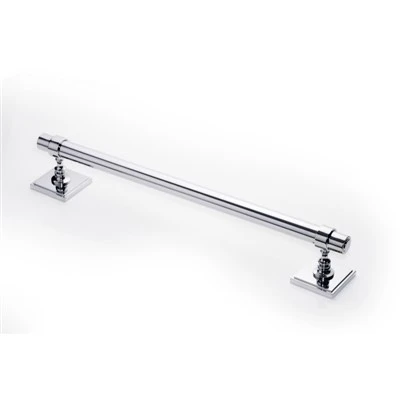
Towel racks and toilet paper holders are often overlooked when it comes to maintenance, but they also need attention. Check for any signs of damage, such as bent bars or loose brackets. If a towel rack or toilet paper holder is loose, tighten the screws or brackets. If it’s damaged beyond repair, consider replacing it.
To keep these items looking their best, clean them regularly with a soft cloth and mild cleaner. Avoid using abrasive materials, as they can scratch the finish.
Cabinet Handles
Cabinet handles are another important part of bathroom hardware. They are often touched frequently, so they can accumulate dirt and grime. Clean cabinet handles regularly with a damp cloth and mild soap. If the handles are made of a metal with a special finish, such as brass or copper, you may need to use a specific cleaner to maintain the shine.
Importance of Professional Maintenance
While regular DIY maintenance is important, there are times when professional maintenance is necessary. Professional plumbers have the tools and expertise to handle more complex issues, such as leaky pipes or faulty valves. They can also perform a thorough inspection of your bathroom hardware to identify any potential problems before they become major issues.
If you’re unsure about how to maintain a particular piece of bathroom hardware or if you notice a significant problem, it’s best to consult a professional. They can provide you with accurate advice and ensure that your bathroom hardware is in good working condition.
Maintenance Schedule
To keep your bathroom hardware in top condition, it’s a good idea to establish a maintenance schedule. Here’s a suggested schedule:
- Daily: Wipe down faucets, showerheads, and other hardware after each use to remove excess water.
- Weekly: Clean all bathroom hardware with a mild cleaner and a soft cloth.
- Monthly: Check for loose parts and tighten them as needed. Inspect for signs of corrosion or damage.
- Quarterly: Deep – clean showerheads and aerators to remove mineral deposits.
- Annually: Have a professional plumber inspect your bathroom plumbing and hardware for any major issues.
Conclusion

Maintaining bathroom hardware is not only about keeping it looking good but also about ensuring its functionality and longevity. By following the tips outlined in this blog, you can extend the life of your bathroom hardware and avoid costly repairs or replacements.
Door and Window If you’re in the market for high – quality bathroom hardware or need more advice on maintenance, don’t hesitate to reach out. Our team of experts is here to help you find the perfect products for your bathroom and provide you with the support you need to keep them in excellent condition. Contact us today to start a conversation about your bathroom hardware needs.
References
- "Bathroom Plumbing Handbook" by a well – known plumbing author. An in – depth guide on bathroom plumbing systems and hardware.
- Manufacturer’s manuals of various bathroom hardware products. These provide specific maintenance instructions for each product.
- Industry reports on bathroom hardware trends and best practices in maintenance.
Taiwan Hardware Corp.
Taiwan Hardware Corp. is one of the most experienced bathroom hardware manufacturers and suppliers in Taiwan, featured by quality products and good service. Please feel free to buy ISO certified bathroom hardware from our factory. For customized service and OEM service, contact us now.
Address: 7th Floor, No. 270, Section 1, Fuxing Road, South District, Taichung City
E-mail: silviatsai@panutw.com
WebSite: https://www.taiwanhardware-en.com/
