If you’ve ever ordered steel barrels for your warehouse, construction site, or industrial shop, you know how much rides on their integrity. I’ve been supplying these bad boys for over 12 years, and let’s be real—nothing kills a day faster than a leaky, dented, or faulty barrel that ruins a shipment of chemicals, storage materials, or whatever you’re hauling. So today, I’m pulling back the curtain on how my team checks every single barrel before it leaves our facility. No fancy, stuffy jargon—just real, actionable steps I’d tell a buddy who’s in the market for reliable steel barrels. Steel Barrel
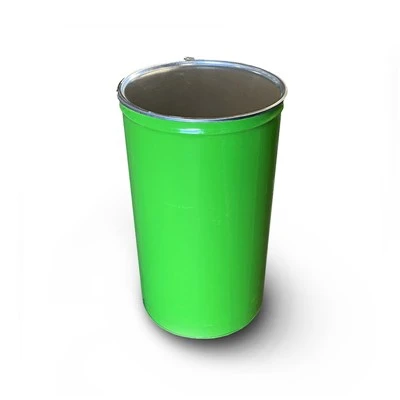
First off, let’s start with the basics: visual inspection, and I don’t mean a quick once-over while you’re grabbing a coffee. I’ve seen guys skip this part and get burned later. When a barrel rolls off our production line, my team first does a full exterior scan—eye-level, so you don’t miss tiny dents or scratches that can turn into big problems down the line. Look for anything that breaks the smooth steel: deep gouges that don’t flatten when you run a gloved finger over ’em, rust spots (even light ones, because rust eats through steel fast), and dents that are more than a quarter inch deep. Wait, why depth matters? A shallow dent might just be cosmetic, but a deep one can weaken the barrel’s structural support, especially when you’re stacking 10 high or filling it with heavy liquids. Also, check the ends—top and bottom—for any warping. If the end is bent even a little, that means the seal isn’t going to sit right, and you’ll get leaks before you even load it up.
Next up is the interior check, and yeah, we crack these babies open to make sure nothing’s wrong in there. A lot of suppliers skip this, but here’s the thing: even a tiny piece of leftover debris from welding, or a spot where the coating didn’t stick right, can cause issues if you’re storing corrosive materials. We’ve got a quick trick here—after cleaning the interior with food-grade (or industrial-grade, depending on the order) solvent, we hold a bright flashlight inside, rotate the barrel, and scan every inch. We’re looking for pinholes—super tiny holes that you’d never see on the outside, but they’ll leak like crazy once pressure or liquid is inside. Also, we check for uneven coating; if the powder coat or paint is thin in spots, that’s where rust will start. For barrels that are supposed to be airtight, this step is non-negotiable. I once had a customer who told us they skipped interior checks once and got 50 barrels that leaked because a welder left a slag spot that burned through the steel on the inside. They had to dump half their inventory and re-order—total headache. That’s why we never skip it.
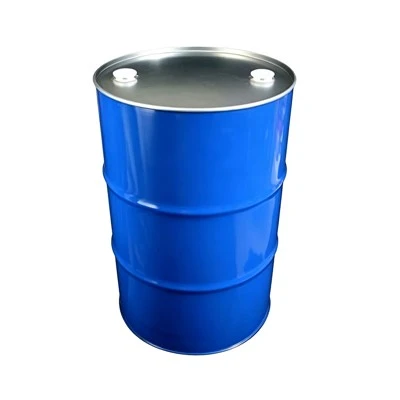
Now, the pressure test. This is the big one for airtight or liquid-tight barrels—think hazardous materials, fuel, or chemicals that can’t afford a single drip. My team uses a low-pressure air test, nothing too crazy that would blow the barrel up (we’re not doing industrial explosions here, promise). We plug the bungs (that’s the two holes on the top, for the uninitiated) tight, then pump in around 3 to 5 PSI of air. Then, we submerge the barrel in a big tank of water. If you see bubbles rising, that’s a leak—simple as that. For barrels that hold solids or don’t need to be airtight, we might skip the water submerge and just spray soapy water on the seams while pumping air; bubbles there mean a bad weld. I’ve seen a lot of vendors use higher pressure tests, but that’s overkill and can damage the barrel, especially older steel. We stick to the sweet spot because we want to test integrity, not break the barrel. And hey, if a barrel passes this test, you can bet it’s gonna hold whatever you throw in it.
Don’t sleep on the bungs and lids, either. These are the parts that actually seal the barrel, so if they’re faulty, the whole integrity thing is useless. We check that the bungs are threaded evenly—no cross-threading, because that means they won’t screw on tight. We also test the gaskets on the bungs; if the rubber gasket is cracked, torn, or crumbly, it’s not gonna make a tight seal. Same with the barrel lid: if it’s bent, the rubber liner inside won’t sit right, leading to leaks. My team uses a magnifying glass sometimes to check for tiny cracks in the gaskets—most people miss those, but they’re the #1 cause of small leaks. I remember a customer who was using barrels for cleaning solvents and thought they were leaking because of a barrel hole, but it turned out the gaskets were old and cracked. We replaced the gaskets and they didn’t have a single leak after that.
Another thing we check is the weight and dimensions. Wait, how does that tie into integrity? Well, a properly made steel barrel should weigh a specific amount—if it’s lighter, that means the steel gauge is too thin. A lot of cheap suppliers cut corners by using thinner steel to save money, but that makes the barrel prone to dents, tears, and collapse when filled. We use a scale to weigh every batch, and we measure the diameter and height with a tape measure to make sure it’s within spec. If a barrel is 10% lighter than it should be, we toss it—no exceptions. I once had a competitor try to sell me barrels that were 2 lbs lighter than standard, and I told him to take ’em back. Those barrels would’ve folded like a tin can if we stacked heavy stuff in ’em. For dimensions, if the barrel is slightly off, it might not fit on standard pallets or in storage racks, which is a whole other problem down the line.
For barrels that are going to be used in extreme conditions—like cold weather, high humidity, or outdoor storage—we do an extra corrosion resistance check. We spray the barrel with a saltwater solution, leave it for 24 hours, then scrub it lightly and check for rust spots. If rust pops up, we send it back for re-coating. Salt is brutal on steel, so if a barrel can handle saltwater, it can handle just about anything. My company supplies a lot of barrels to coastal construction sites, and this test is a must for those guys—they told us once that a supplier skipped the salt test and all their barrels rusted through in 6 months. They had to replace every single one, and we’ve been their go-to supplier ever since.
Wait, what about used barrels? A lot of people ask us if we check used barrels, too. Yeah, we do, for customers who need reconditioned barrels (just ask, we do those too). For used ones, we do the same visual check, pressure test, and bung check, plus a little extra: we check for leftover chemical residue if the barrel was used for hazardous stuff. We neutralize any residue, but we still scan with a detector to make sure nothing’s left that would contaminate your new materials. I always tell customers that reconditioned barrels are a great deal, but you have to vet them as hard as new ones—don’t just buy a used barrel because it’s cheap, it’ll cost you more in the long run.
Now, let’s talk about common mistakes people make when checking barrels. The biggest one is rushing—like, a 10-second glance is not enough. Another one is ignoring small dents, which I mentioned earlier. I’ve seen a barrel with a tiny dent in the side collapse when it was filled with 55 gallons of water. The dent had weakened the steel enough that it couldn’t hold the pressure. Also, people forget to check the bottom of the barrel, which is just as important as the top. The bottom takes all the weight when stacked, so a weak spot there is a disaster waiting to happen. And don’t skip the pressure test—so many customers have said they “trust” their visual check, only to get a shipment of leaking barrels. The water test is simple, cheap, and saves you so much hassle.
At the end of the day, checking a steel barrel’s integrity is all about being thorough, not cutting corners. That’s how my company’s been around for 12 years—we don’t send out barrels that we wouldn’t use ourselves. If you’re in the market for reliable steel barrels, whether new or reconditioned, for industrial storage, shipping, or whatever your needs are, hit us up. We can walk you through our full inspection process, answer any questions you have, and make sure you get barrels that hold up to your standards. No salesy nonsense, just straight talk about barrels that work.
Don’t wait until you get a bad shipment to test this stuff—start checking every barrel you get, and if your current supplier isn’t standing behind their product, it might be time to switch. We’ve got your back, and we stand by every barrel that leaves our facility.
Steel Barrel Reference:
- Steel Drum Manufacturing and Inspection Standards. American Iron and Steel Institute, 2021.
- “Leak Detection Methods for Industrial Storage Containers.” Journal of Industrial Containment, vol. 14, no. 2, 2020, pp. 45–52.
- Reconditioned Steel Barrel Quality Guidelines. National Industrial Packaging Association, 2019.
Anhui Lining Packaging Container Co., Ltd.
We are one of the most professional steel barrel manufacturers and suppliers in China, also support customized service. Please rest assured to wholesale bulk high quality steel barrel in stock here from our factory. If you have any enquiry about quotation, please feel free to email us.
Address: Maodikou Village, Dangshan County, Anhui Province
E-mail: In13905677285@126.com
WebSite: https://www.liningpack.com/
