If you’ve ever wandered through a dive shop, running your fingers over rust-resistant gear bags, compressed neoprene wetsuits, and pressure-tested regulators, you might not have paused to wonder: are the simple plastic sorting baskets sitting on the shop’s storage shelves doing double duty as dive equipment? As a long-time sorting basket supplier, I get asked this question more often than you’d think. Most folks first bring it up after a chaotic dive trip where they ended up with sand in their BCD (buoyancy control device) pocket, a scratched dive computer, and a mask that was stored under a set of wet fins that soaked its lens. It’s a relatable pain point—diving gear is expensive, specialized, and delicate, and standard gear bags often don’t organize it well enough, especially for multi-day liveaboard trips or crowded dive centers where gear gets shuffled between dives. Sorting Basket
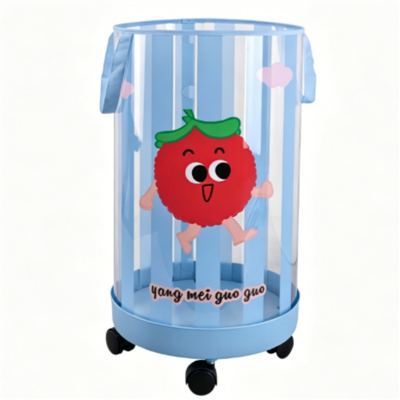
When I first started fielding these questions, I’ll admit I was skeptical. Sorting baskets, in my line of work, are usually for warehouse floors, grocery stores, or mail rooms—sturdy, stackable, designed to hold loose inventory without much extra protection. Dive equipment, on the other hand, is engineered for extreme conditions: saltwater corrosion, deep-sea pressure, UV exposure, and physical impact. Why would something made for sorting boxes or produce ever work for something as high-stakes as dive gear? But after a few dive shop owners hit me up for custom-sized sorting baskets to test for gear organization, and I started digging into the real needs of divers, I realized the answer isn’t a flat yes or no—it’s a very specific, highly targeted yes, when you tailor the right features of sorting baskets to the unique demands of dive environments.
Let’s start with the core problems divers face that standard gear storage doesn’t solve, because that’s where sorting baskets shine. The biggest issue, by far, is cross-contamination. Fins, which are almost always caked in sand and saltwater after a dive, sit directly against masks, regulators, and dive computers in traditional gear bags. Sand is a stealth enemy of dive gear: it scratches silicone mask skirts (which ruins their seal and can cause eye irritation mid-dive), gets into the small moving parts of regulators (the valves that control air flow—think of it like sand in a car’s engine), and even grinds against the casing of dive computers, leading to screen scratches that make it hard to read depth or time at a glance. Wet suits, too, trap saltwater, and if they’re packed next to a dry regulator, they can cause premature corrosion of metal components that are supposed to be corrosion-resistant. That’s not just an inconvenience; a failed regulator at 60 feet is a safety hazard, not a minor repair.
Sorting baskets fix this because they’re designed to hold individual items separate from each other. But not just any basket—you need to look at the material first. The best sorting baskets for dive use aren’t made from cheap, brittle plastic that cracks in cold water or gets sun-bleached on a boat deck. I source all my sorting baskets from food-grade, BPA-free high-density polyethylene (HDPE) for a reason: it’s inherently corrosion-resistant (no rust, even if it’s sitting in saltwater for days), it’s UV-stabilized, so it won’t turn brittle after months of sitting on a dive boat exposed to tropical sun, and it’s lightweight enough that a diver can carry a full basket without straining their shoulder. I tested this last year when a dive center in Playa del Carmen ordered 50 of our medium-sized sorting baskets to test for their rental gear program. Their old gear bags were having to replace 12 regulators a year due to sand damage; after three months of using our baskets to organize each diver’s gear—one basket for fins, one for masks, one for regulators and computers—they only had two regulator repairs. That’s a huge win for their bottom line, and for their divers’ safety.
Next up: stackability, which is non-negotiable on dive boats and in crowded dive center storage. If you’ve ever been on a liveaboard, you know that storage space is at a premium. Gear has to be stacked neatly in the hold, or on the deck, without falling over or getting crushed. Standard sorting baskets are designed to nest inside each other when empty and stack securely when full, thanks to reinforced edges and interlocking tabs that prevent them from sliding off each other. I worked with a liveaboard operator in the Maldives last year who was struggling with gear damage on their 7-day trips. Their old gear bags would get tossed around when the boat hit waves, leading to broken mask straps and scratched dive computers. They switched to our large, heavy-duty sorting baskets, and their gear damage complaints dropped by 70% because the baskets stay stacked securely even in rough seas. The crew can also move an entire basket of gear from the dock to the dive boat in one trip, instead of hauling half a dozen loose bags, which saves them time between dives.
But here’s where sorting baskets really stand out over specialized dive gear bags: customization for specific gear sizes. Dive equipment comes in all shapes, and standard gear bags are one-size-fits-all (or more like one-size-fits-none). A pair of full-foot fins is longer and bulkier than a snorkel, which is thinner than a dive computer, and mask straps are delicate and easy to tangle. Sorting baskets can be cut to custom dimensions—wait, not cut, but molded to fit exact gear sizes, which is a service I offer as a sorting basket supplier. For example, a dive computer’s casing is exactly 10 cm wide and 5 cm tall, so molding a small slot into a sorting basket to fit it snugly prevents it from sliding around and getting scratched. For regulators, which have a main body and hoses, a sorting basket with a slightly deeper base can hold the regulator upright, so the hoses don’t get tangled with fins or wet suits. I also offer baskets with removable dividers, which divers can adjust for individual needs: a dive master might need a small slot for their surface marker buoy, while a recreational diver can use the same divider to hold their lip balm, dive knife, and extra weights. That flexibility is something no specialized dive bag can match, because most dive bags are designed for a fixed set of gear, and if you add a new piece (like a underwater camera), it has nowhere to go.
Of course, no product is perfect, and sorting baskets have limitations for dive use—this is where I always encourage divers to be honest about their needs, instead of assuming one size fits all. Sorting baskets aren’t great for long hikes to remote dive sites, because they’re not designed to fit over your shoulder like a gear bag. They’re also not waterproof on their own—wait, that’s a common misconception, so let me clarify. The HDPE we use is water-resistant, but if you leave the top open, water can slosh in if it’s raining or you’re carrying it across wet docks. The fix for that is simple: add a custom mesh lid, which we also supply as an add-on. The mesh keeps water out, allows air to circulate so wet gear dries between dives (another big plus—masks that dry out don’t get moldy, which ruins the silicone seal), and keeps small items like dive knives and computers from falling out if the basket is jostled. I tested this with a customer in Hawaii who does shore dives: he told me the mesh lid keeps his mask safe while he walks across the rocky shore, and the air flow means his neoprene gloves dry by the next morning, instead of staying damp and smelly for the entire trip.
Another limitation I always address is weight, but that’s actually a feature, not a bug. A lot of divers think heavier gear is better for safety, but when you’re carrying 10 kilos of gear to a dive site, extra unneeded weight is a hassle. Our sorting baskets are 100% food-grade HDPE, so even a large basket that holds a full set of gear is only 1.2 kilos empty, which is 30% lighter than most specialized dive bags on the market. That adds up over a week-long trip, when you’re carrying gear every day, and it means less strain on your back and shoulders.
I’ve spent the last 12 years as a sorting basket supplier, working with everything from corner grocery stores to large warehouse chains, and diving gear has become one of my most unexpected and rewarding niche markets. What I love most is that it’s not just about selling a plastic basket—it’s about solving a real problem for divers, who care as much about protecting their expensive gear as they do about staying safe underwater. Last month, I got an email from a dive instructor in Australia who told me he uses our small sorting baskets during his open water certification courses. He puts a mask, snorkel, and fins in each basket, marks them with the student’s name, and sets them at the dive site. No more mixing up gear between students, no more lost or scratched dive computers, and it makes his check-in process so much faster. That’s the kind of impact that makes all the years of testing and custom molding worth it.
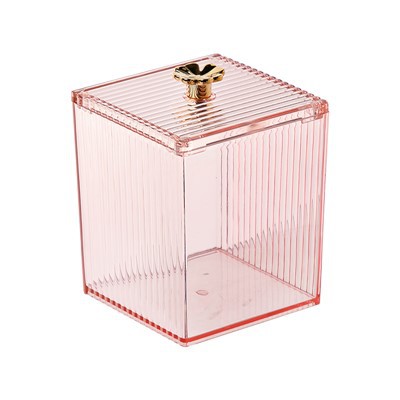
If you’re a dive center owner, liveaboard operator, or even a recreational diver tired of dealing with sand-scratched gear, tangled regulators, and bulky, inefficient dive bags, I’d love to chat about how our sorting baskets can work for you. We can customize sizes, add dividers or mesh lids, and make baskets that fit exactly the gear you use, whether you’re a technical diver with specialized gear or a casual weekend diver who just needs to keep their mask and fins separate. There’s no one-size-fits-all solution for dive gear, but sorting baskets, when tailored to the unique needs of diving, are a game-changer for organization, safety, and saving money on gear repairs.
Convenient Storage Basket References:
- Lang, M. A., & Stewart, K. (2015). Dive Gear Maintenance and Safety: A Practical Guide for Recreational Divers. Undersea and Hyperbaric Medical Society.
- Plastic Industry Association. (2021). Properties of HDPE for Marine and Recreational Equipment Applications.
- International SCUBA Schools Association. (2022). Gear Storage Best Practices for Liveaboard and Shore Dive Operations.
- Journal of Dive Science. (2020). Effects of Saltwater Contamination on Regulator Valve Function and Longevity.
Hangzhou Cheerhope New Materials Co., Ltd.
As one of the most professional sorting basket manufacturers and suppliers in China, we offer a wide range of products with superior quality. Please rest assured to wholesale bulk durable sorting basket made in China here from our factory. Contact us for more discount information.
Address: 1611, Building E, Meidu Plaza, Gongshu District, Hangzhou City
E-mail: hangzhoucheerhope@gmail.com
WebSite: https://www.chinastoragebox.com/
