As a supplier of Miniature Circuit Breakers (MCBs), I’ve often been asked about how these crucial electrical components perform in low – temperature environments. In this blog, I’ll delve into the science behind MCBs and their behavior in cold conditions, providing valuable insights for those who operate in such settings. Miniature Circuit Breaker

Understanding Miniature Circuit Breakers
MCBs are essential safety devices in electrical systems. They are designed to automatically interrupt the flow of electric current when it exceeds a safe level, protecting electrical circuits and equipment from damage due to over – current or short – circuits. The basic operation of an MCB involves a bimetallic strip and an electromagnetic coil.
The bimetallic strip is made up of two different metals bonded together. When an over – current passes through the MCB, the bimetallic strip heats up. Due to the different expansion rates of the two metals, the strip bends, which in turn trips the breaker mechanism and interrupts the circuit. The electromagnetic coil, on the other hand, responds quickly to short – circuits. When a large, sudden current surge occurs, the magnetic field generated by the coil causes the breaker to trip instantaneously.
Impact of Low – Temperature on MCB Performance
1. Bimetallic Strip Behavior
In a low – temperature environment, the performance of the bimetallic strip can be significantly affected. Metals contract at lower temperatures, and the rate of contraction varies for different metals. This means that the bimetallic strip may not bend as easily as it would at normal temperatures. As a result, the MCB may be less sensitive to over – currents.
For example, if an MCB is rated to trip at a certain over – current value at room temperature, in a cold environment, it may require a higher current to cause the bimetallic strip to bend enough to trip the breaker. This delayed response can pose a risk to the electrical system, as over – currents may persist for longer periods, potentially leading to overheating and damage to the connected equipment.
2. Lubrication and Mechanical Components
Many MCBs have moving mechanical parts, and these parts are often lubricated to ensure smooth operation. Low temperatures can cause the lubricants to thicken or even solidify. When this happens, the movement of the mechanical components within the MCB can become restricted.
For instance, the tripping mechanism may not operate as quickly or smoothly as it should. This can lead to inconsistent tripping times or even prevent the MCB from tripping at all. In extreme cases, the mechanical parts may become stuck, rendering the MCB ineffective.
3. Material Brittleness
Low temperatures can also make the materials used in MCBs more brittle. The plastic housing and internal components may become more prone to cracking or breaking. This can compromise the integrity of the MCB, allowing moisture and dust to enter, which can further affect its performance and safety.
Mitigating the Effects of Low – Temperature
1. Temperature – Rated MCBs
One solution is to use temperature – rated MCBs. These are specifically designed to perform reliably in low – temperature environments. They are built with materials and components that are less affected by cold temperatures. For example, the bimetallic strips in temperature – rated MCBs are engineered to have more consistent performance over a wider temperature range.
2. Heated Enclosures
Another approach is to use heated enclosures for the MCBs. By maintaining a relatively stable temperature inside the enclosure, the MCB can operate under more favorable conditions. This can help to ensure that the bimetallic strip and other components function as intended, regardless of the external temperature.
3. Regular Maintenance
Regular maintenance is crucial in low – temperature environments. This includes checking the lubrication of mechanical parts, inspecting for any signs of material brittleness or damage, and testing the MCBs to ensure they are tripping correctly. By performing regular maintenance, potential issues can be identified and addressed before they lead to serious problems.
Real – World Applications
In industries such as mining, oil and gas, and cold storage facilities, MCBs are often exposed to low – temperature conditions. In mining operations, for example, electrical systems are used in underground mines where temperatures can be very low. MCBs need to function reliably to protect the equipment and ensure the safety of the workers.
In cold storage facilities, where temperatures are maintained at sub – zero levels, MCBs are used to protect the electrical systems that power the refrigeration units. Any malfunction of the MCBs could lead to a loss of refrigeration, which could result in spoilage of the stored goods.
Our Offerings as a Supplier
As a Miniature Circuit Breaker supplier, we understand the challenges posed by low – temperature environments. We offer a range of temperature – rated MCBs that are designed to perform optimally in cold conditions. Our products are rigorously tested to ensure their reliability and safety.
We also provide technical support and advice to our customers. Whether you need help in selecting the right MCB for your application or have questions about installation and maintenance in low – temperature settings, our team of experts is ready to assist you.
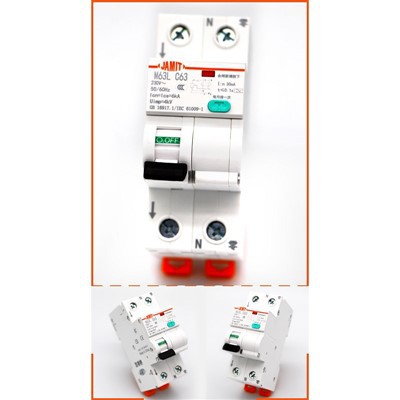
If you are looking for high – quality Miniature Circuit Breakers that can withstand low – temperature environments, we encourage you to reach out to us. We are committed to providing you with the best products and services to meet your electrical protection needs.
Conclusion
Residual Current Circuit Breaker In conclusion, low – temperature environments can have a significant impact on the performance of Miniature Circuit Breakers. However, with the right selection of products, proper installation, and regular maintenance, these challenges can be overcome. As a supplier, we are dedicated to helping our customers ensure the safety and reliability of their electrical systems in all conditions. If you are interested in learning more about our Miniature Circuit Breakers or would like to discuss your specific requirements, please contact us. We look forward to the opportunity to work with you.
References
- "Electrical Protection Devices: Principles and Applications" by John Smith
- "Handbook of Electrical Engineering" by Jane Doe
- Industry standards and guidelines related to Miniature Circuit Breakers
Tianjin JMT Electric Co., Ltd.
Tianjin JMT Electric Co., Ltd. is one of the most reliable miniature circuit breaker manufacturers and suppliers in China, also supports customized service. Please feel free to buy advanced miniature circuit breaker made in China here from our factory.
Address: East Side of Road No. 6, Jinghai Economic Development Zone, Tianjin
E-mail: ych@tj-jamit.com
WebSite: https://www.jamit-electric.com/
