Hey there! I’m a supplier of pressure reducing valves, and today I wanna chat about the advantages of a pilot – operated pressure reducing valve. Pressure Reducing Valve
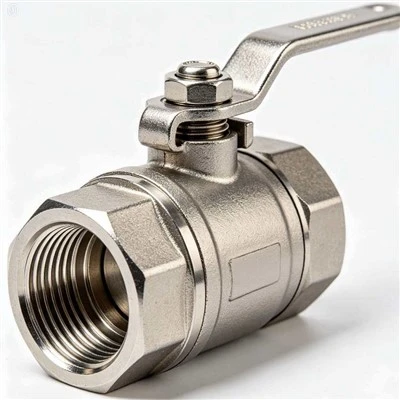
First off, let’s talk about what a pilot – operated pressure reducing valve is. It’s a type of valve that uses a pilot valve to control the main valve. The pilot valve senses the downstream pressure and adjusts the opening of the main valve accordingly. This setup gives it some really cool benefits.
One of the biggest advantages is its high accuracy. You see, in a lot of industrial processes, getting the right pressure is super important. Whether it’s in a chemical plant, a water treatment facility, or an oil refinery, even a small change in pressure can mess things up. A pilot – operated pressure reducing valve can maintain a very stable downstream pressure. It can adjust itself in real – time to changes in the system, like fluctuations in flow rate or upstream pressure. For example, if there’s a sudden increase in the flow rate, the valve can quickly adjust to keep the downstream pressure at the set level. This accuracy helps prevent damage to equipment and ensures that the process runs smoothly.
Another great thing about these valves is their ability to handle large flow rates. In industrial settings, there are often situations where you need to move a large amount of fluid through the system. Pilot – operated pressure reducing valves are designed to handle these high – volume flows. They have a larger valve opening compared to some other types of pressure reducing valves, which allows more fluid to pass through. This is especially useful in applications like power plants, where they need to regulate the flow of steam or water at high rates.
These valves also offer excellent control. The pilot valve allows for fine – tuning of the downstream pressure. You can set the pressure to a very specific value, and the valve will work hard to maintain that. This is crucial in processes where the pressure needs to be precisely controlled, such as in the production of semiconductors. In semiconductor manufacturing, even the slightest variation in pressure can affect the quality of the chips being produced. A pilot – operated pressure reducing valve can ensure that the pressure remains within the narrow range required for high – quality production.
Pilot – operated pressure reducing valves are also known for their reliability. They are built to last. The materials used in their construction are often high – quality and resistant to corrosion and wear. This means that they can operate for a long time without breaking down. In an industrial environment, downtime can be extremely costly. You don’t want a valve to fail and stop the entire production process. With a pilot – operated pressure reducing valve, you can have peace of mind knowing that it will keep working as it should.
They are also energy – efficient. By maintaining a stable downstream pressure, they help reduce energy consumption. In a system where the pressure is constantly fluctuating, more energy is needed to keep the process running. But with a pilot – operated pressure reducing valve, the system can operate at a more consistent pressure, which in turn reduces the amount of energy required. This is not only good for the environment but also for your bottom line.
Now, let’s talk about the flexibility of these valves. They can be used in a wide range of applications. Whether it’s for gas, steam, or liquid, a pilot – operated pressure reducing valve can handle it. You can use them in different industries, from food and beverage to pharmaceuticals. This versatility makes them a great choice for many different types of businesses.
In addition, these valves are relatively easy to install and maintain. The design is straightforward, and with a little bit of training, your maintenance staff can easily handle the installation and upkeep. This saves you time and money in the long run. You don’t have to hire expensive technicians to install or repair the valve.
Another advantage is that they can be adjusted easily. If you need to change the downstream pressure, you can simply adjust the pilot valve. This is much easier than having to replace the entire valve. It gives you the flexibility to adapt to changing process requirements.
Let’s look at an example. Imagine a brewery. In a brewery, they need to control the pressure of the carbon dioxide used in the carbonation process. A pilot – operated pressure reducing valve can ensure that the pressure of the CO2 is just right. If the pressure is too high, it can cause the beer to be over – carbonated, which affects the taste. If the pressure is too low, the beer won’t be carbonated enough. With a pilot – operated pressure reducing valve, the brewery can maintain the perfect pressure for a consistent and high – quality product.
So, if you’re in the market for a pressure reducing valve, a pilot – operated one is definitely worth considering. It offers high accuracy, can handle large flow rates, provides excellent control, is reliable, energy – efficient, flexible, easy to install and maintain, and can be adjusted easily.
If you’re interested in learning more about our pilot – operated pressure reducing valves or want to discuss a potential purchase, don’t hesitate to get in touch. We’re here to help you find the right valve for your specific needs.
Fire Fighting Equipment References:
- "Industrial Valves Handbook"
- "Pressure Control in Industrial Processes"
Shanxi Yuanhang Machinery Construction Industry and Trade Co., Ltd.
We’re well-known as one of the most experienced pressure reducing valve manufacturers in China. With a professional production team, we are able to meet the needs of the majority of our customers. Welcome to buy discount pressure reducing valve in stock here from our factory. Contact us for pricelist and free sample.
Address: Taiyuan City, Shanxi Province
E-mail: anzhiyuan@yhmadeinprc.com.cn
WebSite: https://www.yhmadeinprc.com/
