Hey there! I’m a supplier of sludge centrifuges, and I get asked a lot, "Can a sludge centrifuge handle different types of sludge?" Well, let’s dive right into it and find out! Sludge Centrifuge
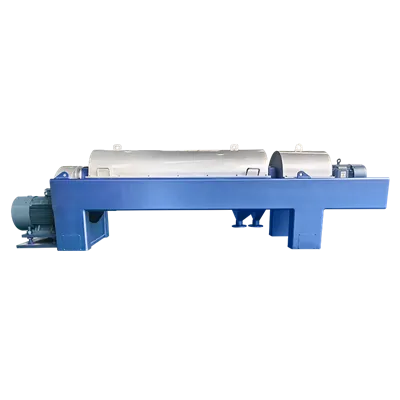
First off, we need to understand what sludge is and the different types out there. Sludge is basically a semi – solid residue that’s left behind after various industrial and municipal processes. There are several common types of sludge, and each has its own unique characteristics.
Types of Sludge
Municipal Sludge
Municipal sludge comes from wastewater treatment plants. It contains a mix of organic matter, like human waste, food particles, and some inorganic materials. This type of sludge is usually high in moisture content, often around 95 – 99%. It’s also got a relatively low density and a complex composition. The organic matter in it can decompose over time, which can cause odor problems.
Industrial Sludge
Industrial sludge is a whole different ballgame. It can come from a wide range of industries, such as chemical, pharmaceutical, and food processing. Industrial sludge can have a much higher concentration of heavy metals, chemicals, and other contaminants compared to municipal sludge. For example, a chemical plant might produce sludge with high levels of toxic chemicals, while a metal – plating factory could have sludge rich in heavy metals like lead, mercury, or cadmium. The density and viscosity of industrial sludge can vary greatly depending on the industry and the specific processes involved.
Oil and Gas Sludge
Oil and gas sludge is produced during the exploration, production, and refining of oil and gas. It contains a significant amount of oil, as well as solids and water. This type of sludge is highly viscous and can be difficult to handle. The oil content makes it a potential environmental hazard if not properly treated.
How Sludge Centrifuges Work
Before we talk about whether a centrifuge can handle different types of sludge, let’s quickly go over how a sludge centrifuge works. A sludge centrifuge uses the principle of centrifugal force. When the centrifuge spins at high speeds, the heavier solids in the sludge are forced to the outer edges of the centrifuge bowl, while the lighter liquid phase moves towards the center. This separation process allows us to separate the solids from the liquid, reducing the volume of the sludge and making it easier to handle and dispose of.
Can a Sludge Centrifuge Handle Different Types of Sludge?
The short answer is yes, but with some caveats.
Handling Municipal Sludge
Most standard sludge centrifuges can handle municipal sludge pretty well. Since municipal sludge has a relatively low density and high moisture content, the centrifuge can easily separate the solids from the liquid. The centrifuge can reduce the moisture content of the municipal sludge from around 95 – 99% to as low as 70 – 80%, which is a significant reduction. This makes it easier to transport and dispose of the sludge.
However, one thing to keep in mind is the organic matter in municipal sludge. As it decomposes, it can produce gases, which can affect the performance of the centrifuge. To deal with this, some centrifuges are equipped with gas – venting systems to prevent any build – up of gases inside the centrifuge.
Handling Industrial Sludge
Handling industrial sludge is a bit more challenging. The high concentration of heavy metals and chemicals in industrial sludge can cause corrosion and wear on the centrifuge components. For example, if the sludge contains acidic chemicals, it can corrode the metal parts of the centrifuge. To handle industrial sludge, we need centrifuges that are made of corrosion – resistant materials, such as stainless steel or special coatings.
Also, the density and viscosity of industrial sludge can vary widely. Some industrial sludges are very thick and viscous, which can make it difficult for the centrifuge to separate the solids from the liquid. In these cases, we might need to pre – treat the sludge, for example, by adding chemicals to reduce its viscosity or to help the solids settle.
Handling Oil and Gas Sludge
Oil and gas sludge is one of the toughest types of sludge to handle. The high oil content and viscosity make it difficult for the centrifuge to separate the components. To handle oil and gas sludge, we need centrifuges with high – speed capabilities and special designs. Some centrifuges are designed with a specific configuration to break up the oil – water – solid emulsion in the sludge.
We might also need to use chemical additives to help with the separation process. For example, demulsifiers can be added to break the emulsion and make it easier for the centrifuge to separate the oil from the solids and water.
Advantages of Using a Sludge Centrifuge for Different Types of Sludge
Using a sludge centrifuge for different types of sludge has several advantages.
Volume Reduction
One of the biggest advantages is volume reduction. By separating the solids from the liquid, the centrifuge can significantly reduce the volume of the sludge. This means less space is needed for storage and transportation, which can save a lot of money in the long run.
Resource Recovery
In some cases, a centrifuge can help with resource recovery. For example, in oil and gas sludge, the centrifuge can separate the oil from the solids and water, allowing the oil to be recovered and reused. In industrial sludge, some valuable metals or chemicals can be recovered through the separation process.
Environmental Benefits
Properly treating sludge with a centrifuge can have significant environmental benefits. By reducing the volume of the sludge and separating the contaminants, we can prevent the release of harmful substances into the environment. For example, reducing the heavy metal content in industrial sludge before disposal can help protect soil and water quality.
Choosing the Right Sludge Centrifuge
When it comes to choosing the right sludge centrifuge for different types of sludge, there are several factors to consider.
Capacity
The capacity of the centrifuge is an important factor. You need to choose a centrifuge that can handle the volume of sludge you have. If you have a large amount of sludge, you’ll need a centrifuge with a high – capacity bowl.
Material of Construction
As we mentioned earlier, the material of construction is crucial, especially when dealing with industrial sludge. Make sure the centrifuge is made of materials that can withstand the corrosive nature of the sludge.
Speed and Design
The speed and design of the centrifuge can also affect its performance. For oil and gas sludge, a high – speed centrifuge with a special design might be necessary to break up the emulsion and separate the components.
Conclusion
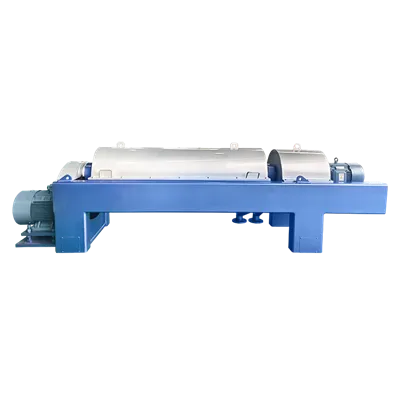
So, to answer the question, "Can a sludge centrifuge handle different types of sludge?" Yes, it can, but you need to choose the right centrifuge and, in some cases, take additional steps like pre – treatment or using chemical additives. As a sludge centrifuge supplier, I’m here to help you find the best solution for your specific sludge handling needs. Whether you’re dealing with municipal, industrial, or oil and gas sludge, we’ve got the expertise and the right equipment to get the job done.
Dewatering Centrifuge If you’re interested in learning more about our sludge centrifuges or want to discuss your specific requirements, don’t hesitate to reach out. We’re ready to have a chat and help you find the perfect centrifuge for your sludge. Let’s work together to make your sludge handling more efficient and environmentally friendly.
References
- Environmental Protection Agency (EPA). "Wastewater Treatment and Sludge Management."
- American Society of Civil Engineers (ASCE). "Manual of Practice on Sludge Treatment and Disposal."
- International Association for Hydro – Environment Engineering and Research (IAHR). "Research on Sludge Separation Technologies."
Lishui Yuanrong Environmental Protection Equipment Co., Ltd.
As one of the most professional sludge centrifuge manufacturers and suppliers in China, we have world-leading production equipment and strong manufacturing capabilities. Please feel free to buy customized sludge centrifuge from our factory. Also, quotation is available.
Address: Lot 6-1, Block 15, Wanyang Zongchuang City, Lishui, Zhejiang, China
E-mail: 361184920@qq.com
WebSite: https://www.yrhdc.com/
