Hey there! I’m a supplier of seamless titanium tubes, and I often get asked about the surface roughness requirement for these tubes. So, I thought I’d write a blog to share everything I know about it. Seamless Titanium Tube

Let’s start with the basics. What exactly is surface roughness? Well, it’s a measure of the texture of a surface. It’s basically how bumpy or smooth the surface of the tube is. In the world of seamless titanium tubes, surface roughness can have a big impact on how the tube performs and what it can be used for.
Why Surface Roughness Matters
First off, the right surface roughness can affect the tube’s corrosion resistance. Titanium is known for its excellent corrosion resistance, but if the surface is too rough, it can actually increase the risk of corrosion. That’s because rough surfaces have more nooks and crannies where corrosive substances can get trapped. On the other hand, if the surface is too smooth, it might not have the right grip or friction for certain applications.
Another important factor is the tube’s compatibility with other components. Seamless titanium tubes are often used in complex systems where they need to fit and work well with other parts. The surface roughness can affect how well the tube seals with gaskets or connects to other pipes. If the roughness isn’t right, it could lead to leaks or poor performance.
Industry Standards and Specifications
There are a bunch of industry standards and specifications that define the acceptable surface roughness for seamless titanium tubes. For example, in the aerospace industry, the requirements are super strict. The tubes used in aircraft engines, for instance, need to have a very smooth surface to ensure efficient airflow and prevent any kind of interference with the engine’s operation.
In the medical field, where seamless titanium tubes are used for things like surgical implants, the surface roughness is also carefully controlled. A smooth surface is important to minimize the risk of tissue irritation and to ensure proper integration with the human body.
The manufacturing process also plays a big role in determining the surface roughness. Different methods like cold drawing, hot rolling, and machining can result in different levels of surface finish. As a supplier, we need to make sure that we’re using the right process to meet the specific requirements of our customers.
Measuring Surface Roughness
There are several ways to measure the surface roughness of seamless titanium tubes. One common method is using a profilometer. This device measures the height variations on the surface of the tube and gives a numerical value for the roughness. Another way is through visual inspection, although this is a bit more subjective and is usually used as a preliminary check.
When we’re producing seamless titanium tubes, we regularly measure the surface roughness to ensure that it meets the standards. We also keep detailed records of these measurements so that we can provide our customers with proof of compliance.
Different Applications and Their Requirements
Let’s take a closer look at some specific applications and what kind of surface roughness they need.
Chemical Processing
In the chemical processing industry, seamless titanium tubes are used to transport all sorts of corrosive chemicals. For this application, a smooth surface is crucial. A rough surface could lead to the build – up of chemicals on the inside of the tube, which can cause blockages and corrosion over time. We usually aim for a surface roughness that’s in the range of 0.8 to 1.6 micrometers for these types of applications.
Heat Exchangers
Heat exchangers are another common use for seamless titanium tubes. In this case, the surface roughness needs to be balanced. If it’s too smooth, the heat transfer efficiency might be reduced because there’s less surface area for the heat to transfer. But if it’s too rough, it can cause problems with fluid flow and increase the pressure drop. Typically, we target a surface roughness of around 1.6 to 3.2 micrometers for heat exchanger tubes.
Marine Applications
In the marine environment, seamless titanium tubes are exposed to saltwater, which is highly corrosive. A smooth surface helps to prevent the formation of rust and other corrosion products. The surface roughness for marine – grade seamless titanium tubes usually falls between 0.4 and 0.8 micrometers.
How We Ensure the Right Surface Roughness
As a supplier, we have a strict quality control process in place to make sure that our seamless titanium tubes meet the required surface roughness. First, we carefully select the raw materials. The quality of the titanium we start with can have an impact on the final surface finish.
During the manufacturing process, we use advanced machinery and techniques to control the surface roughness. For example, when we’re doing the finishing steps, like polishing or grinding, we use precise equipment to get the desired level of smoothness.
We also have a team of quality control experts who regularly inspect the tubes. They use the latest measurement tools to check the surface roughness and make sure that it’s within the acceptable range. If a tube doesn’t meet the standards, we either re – machine it or discard it to ensure that only the highest – quality products reach our customers.
Customizing Surface Roughness
We understand that different customers have different needs. That’s why we offer the option to customize the surface roughness of our seamless titanium tubes. Whether you need a super smooth surface for a high – tech application or a slightly rough one for better grip, we can work with you to make it happen.
We’ll have a detailed discussion with you to understand your specific requirements. Then, our engineering team will come up with a manufacturing plan to achieve the right surface roughness. We’ll also keep you updated throughout the process, so you know exactly what’s going on.
Conclusion
So, as you can see, the surface roughness requirement for seamless titanium tubes is a pretty important thing. It can impact the tube’s performance, corrosion resistance, and compatibility with other components. Different applications have different needs when it comes to surface roughness, and as a supplier, we’re committed to meeting those needs.
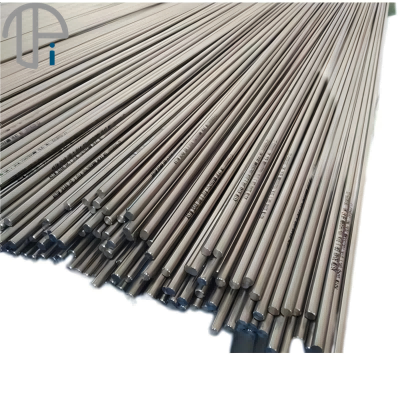
If you’re in the market for seamless titanium tubes and have specific surface roughness requirements, don’t hesitate to reach out to us. We’re here to help you find the perfect solution for your project. We’ve got the expertise and the resources to provide you with high – quality tubes that meet all your specifications.
Titanium Anode for Electrolytic Copper Foil Drop us a line, and let’s start a conversation about your procurement needs. Whether you’re a small business or a large corporation, we’re eager to work with you and build a long – term partnership.
References
- ASME B46.1 – Surface Texture (Surface Roughness, Waviness, and Lay)
- ASTM F67 – Standard Specification for Unalloyed Titanium for Surgical Implants (Grade 1)
- ISO 4287 – Geometrical Product Specifications (GPS) – Surface texture: Profile method – Terms, definitions and surface texture parameters
Baoji Top Titanium Industry Co., Ltd.
As one of the most professional seamless titanium tube manufacturers and suppliers in China, we’re featured by quality products and good price. Please rest assured to buy bulk seamless titanium tube in stock here and get quotation from our factory. Customized orders are welcome.
Address: No. 2, South Section Of Phoenix 2nd Road,High-Tech Zone, Baoji,Shaanxi, China (Mainland)
E-mail: sales@bjtopti.com
WebSite: https://www.china-topti.com/
