Troubleshooting common problems of thermal analysis instruments is a crucial skill for both users and suppliers. As a thermal analysis instruments supplier, I’ve encountered a wide range of issues over the years. In this blog, I’ll share some practical insights on how to identify and resolve these common problems. Thermal Analysis Instruments

Understanding the Basics of Thermal Analysis Instruments
Before delving into troubleshooting, it’s essential to have a basic understanding of thermal analysis instruments. These instruments are used to measure physical and chemical properties of materials as a function of temperature or time. Common types include Differential Scanning Calorimetry (DSC), Thermogravimetric Analysis (TGA), and Dynamic Mechanical Analysis (DMA).
DSC measures the heat flow associated with physical and chemical changes in a material as a function of temperature or time. TGA measures the change in mass of a sample as it is heated or cooled under a controlled atmosphere. DMA measures the mechanical properties of a material as a function of temperature, frequency, or time.
Common Problems and Their Solutions
1. Baseline Drift in DSC
Baseline drift is one of the most common problems in DSC. It can be caused by several factors, including improper calibration, sample contamination, or a dirty furnace.
Solution:
- Calibration: Ensure that the DSC is properly calibrated using a standard reference material. Calibration should be performed regularly, especially if the instrument has been moved or if there have been significant changes in the operating environment.
- Sample Preparation: Make sure that the sample is clean and free from contaminants. Use clean sample pans and avoid touching the sample with your fingers.
- Furnace Cleaning: Clean the furnace regularly to remove any residues or contaminants. Follow the manufacturer’s instructions for furnace cleaning.
2. Mass Measurement Errors in TGA
Mass measurement errors in TGA can be caused by factors such as sample volatility, buoyancy effects, or a malfunctioning balance.
Solution:
- Sample Volatility: If the sample is volatile, use a sealed sample pan or perform the analysis under an inert atmosphere to minimize sample loss.
- Buoyancy Effects: Buoyancy effects can be corrected by performing a blank run and subtracting the blank curve from the sample curve.
- Balance Calibration: Ensure that the balance is properly calibrated and functioning correctly. Check the balance for any signs of damage or wear.
3. Noise and Artifacts in DMA
Noise and artifacts in DMA can be caused by electrical interference, mechanical vibrations, or improper sample mounting.
Solution:
- Electrical Interference: Use shielded cables and ensure that the instrument is properly grounded to minimize electrical interference.
- Mechanical Vibrations: Place the instrument on a stable surface and avoid any sources of mechanical vibrations, such as nearby equipment or traffic.
- Sample Mounting: Make sure that the sample is properly mounted and that there is no excessive slack or tension in the sample holder.
4. Temperature Accuracy Issues
Temperature accuracy issues can occur in all types of thermal analysis instruments. These issues can be caused by improper calibration, thermocouple damage, or a malfunctioning temperature controller.
Solution:
- Calibration: Regularly calibrate the temperature sensor using a standard reference material. Follow the manufacturer’s instructions for temperature calibration.
- Thermocouple Inspection: Check the thermocouple for any signs of damage or wear. Replace the thermocouple if necessary.
- Temperature Controller Check: Ensure that the temperature controller is functioning correctly. Check the temperature controller settings and adjust them if necessary.
Preventive Maintenance
Preventive maintenance is key to minimizing the occurrence of common problems in thermal analysis instruments. Here are some preventive maintenance tips:
- Regular Cleaning: Clean the instrument regularly to remove any dust, dirt, or residues. Follow the manufacturer’s instructions for cleaning.
- Calibration: Perform regular calibration of the instrument using standard reference materials. Calibration should be performed at least once a year, or more frequently if required.
- Lubrication: Lubricate any moving parts of the instrument according to the manufacturer’s recommendations.
- Software Updates: Keep the instrument software up to date to ensure optimal performance and compatibility.
- Operator Training: Provide proper training to the instrument operators to ensure that they are using the instrument correctly and following the recommended procedures.
Importance of Technical Support
Even with proper preventive maintenance, problems can still occur in thermal analysis instruments. That’s why it’s important to have access to reliable technical support. As a thermal analysis instruments supplier, we offer comprehensive technical support to our customers. Our technical support team consists of experienced engineers who are trained to diagnose and resolve a wide range of problems.
We also provide on-site service and repair, as well as remote support via phone or email. Our goal is to minimize the downtime of your instrument and ensure that it is operating at peak performance.
Conclusion
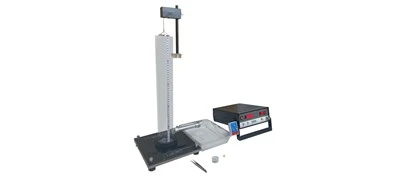
Troubleshooting common problems of thermal analysis instruments requires a combination of technical knowledge, practical experience, and preventive maintenance. By understanding the basic principles of thermal analysis and following the recommended procedures, you can minimize the occurrence of common problems and ensure the accurate and reliable operation of your instrument.
Thermal Analysis Instruments If you’re experiencing problems with your thermal analysis instrument or are looking to purchase a new instrument, don’t hesitate to contact us. We’re here to help you find the right solution for your needs.
References
- Thermal Analysis: Principles and Practice, by P. K. Gallagher
- Differential Scanning Calorimetry: Basics and Applications, by B. Wunderlich
- Thermogravimetric Analysis: A Tutorial, by R. E. Mackenzie
- Dynamic Mechanical Analysis: A Practical Introduction, by B. Cassidy
Nanjing Longbow Scientific&Educational Instrument Co., Ltd.
As one of the most professional thermal analysis instruments manufacturers and suppliers in China, we’re featured by quality products and good service. Please rest assured to buy customized thermal analysis instruments from our factory. If you have any enquiry about pricelist, please feel free to email us.
Address: Room D, 22th floor, No.305, North Jiangdong Road, Nanjing,Jiangsu Province, China
E-mail: 79425380@qq.com
WebSite: https://www.lb-physics.com/
