Surfactants play a crucial role in electroplating solutions. As a supplier of electroplating solutions, I’ve seen firsthand how the right surfactants can enhance the performance of these solutions. In this blog, I’ll share how to effectively use surfactants in electroplating solutions. Electroplating Solution
Understanding the Basics of Surfactants in Electroplating
First things first, let’s talk about what surfactants are. Surfactants are surface – active agents. They have a unique molecular structure with a hydrophilic (water – loving) head and a hydrophobic (water – hating) tail. In electroplating solutions, this structure allows them to interact with both the solution and the surface of the object being plated.
When we add surfactants to an electroplating solution, they can do a bunch of important things. One of the main jobs is to reduce the surface tension of the solution. You know how water forms droplets on a surface? That’s because of surface tension. By reducing it, surfactants help the electroplating solution spread evenly over the object. This means a more uniform coating, which is super important for a high – quality finish.
Another key function is to prevent the formation of bubbles. During the electroplating process, gas bubbles can form on the surface of the workpiece. These bubbles can cause defects in the coating, like pits or uneven areas. Surfactants act as defoamers, breaking up the bubbles and keeping the surface smooth.
Types of Surfactants for Electroplating
There are different types of surfactants, and each has its own properties. Anionic surfactants have a negatively charged hydrophilic head. They’re great for cleaning the surface of the object before plating. They can remove dirt, oil, and other contaminants, making sure the surface is ready for a good bond with the plating metal.
Cationic surfactants, on the other hand, have a positively charged head. They’re often used to improve the wetting of the surface. They can help the electroplating solution stick better to the object, especially if the surface has some kind of natural repulsion to the solution.
Non – ionic surfactants don’t have a charge. They’re very versatile and can be used in a wide range of electroplating applications. They’re good at reducing surface tension and are often used in combination with other types of surfactants to get the best results.
Determining the Right Surfactant Concentration
Figuring out how much surfactant to add to an electroplating solution is crucial. If you add too little, you won’t get the benefits. The surface tension might not be reduced enough, and bubbles could still be a problem. But if you add too much, it can cause other issues.
One way to determine the right concentration is through trial and error. Start with a small amount of surfactant in a test batch of the electroplating solution. Then, run some electroplating tests on sample objects. Check the quality of the coating. Look for things like uniformity, smoothness, and adhesion.
You can also refer to the manufacturer’s recommendations. Most surfactant suppliers will provide guidelines on the appropriate concentration for different electroplating applications. But keep in mind that these are just starting points, and you might need to adjust based on your specific process.
Compatibility with Other Components in the Electroplating Solution
Surfactants need to be compatible with the other chemicals in the electroplating solution. For example, some surfactants might react with the metal salts in the solution, causing precipitation or changing the chemical properties of the solution.
Before adding a new surfactant to your electroplating solution, it’s a good idea to do a compatibility test. Mix a small amount of the surfactant with the electroplating solution and let it sit for a while. Check for any signs of reaction, like color changes, cloudiness, or the formation of solids.
If you’re using multiple additives in your electroplating solution, make sure the surfactant doesn’t interfere with their functions. Some additives are designed to improve the brightness or hardness of the coating, and a incompatible surfactant could reduce their effectiveness.
Incorporating Surfactants into the Electroplating Process
When you’re ready to add the surfactant to the electroplating solution, it’s important to do it properly. First, make sure the electroplating solution is well – mixed and at the right temperature. Adding the surfactant to a cold or poorly – mixed solution can lead to uneven distribution.
Slowly add the surfactant to the solution while stirring continuously. This helps to ensure that the surfactant is evenly dispersed throughout the solution. You might want to use a mechanical stirrer for larger batches to get a more thorough mix.
After adding the surfactant, let the solution sit for a little while to allow any air bubbles introduced during the mixing process to escape. This will help to prevent bubble – related defects in the plating.
Monitoring and Adjusting Surfactant Levels
Once the surfactant is in the electroplating solution, you can’t just forget about it. You need to monitor its levels over time. As the electroplating process continues, the surfactant can get consumed or degraded.
One way to monitor the surfactant level is through regular analysis of the electroplating solution. You can use techniques like titration or chromatography to measure the concentration of the surfactant. If the level is too low, you can add more surfactant to maintain the desired performance.
You can also keep an eye on the quality of the plating. If you start to notice issues like uneven coating, bubbles, or poor adhesion, it could be a sign that the surfactant level is off. In that case, you’ll need to adjust the amount of surfactant in the solution.
Benefits of Using Surfactants Correctly
Using surfactants correctly in electroplating solutions can bring a lot of benefits. First of all, it improves the quality of the plating. You’ll get a more uniform, smooth, and defect – free coating. This is especially important for applications where the appearance and performance of the plated object matter, like in the jewelry or automotive industries.
It also increases the efficiency of the electroplating process. By reducing surface tension and preventing bubbles, the plating process can run more smoothly. This can lead to faster plating times and lower energy consumption.
In addition, using surfactants can extend the life of the electroplating solution. By preventing the formation of contaminants and reducing the wear and tear on the solution components, the solution can be used for a longer period of time before it needs to be replaced.
Wrapping Up and Reaching Out
So, that’s how you can use surfactants in electroplating solutions. It might seem a bit complicated at first, but with a little practice and careful monitoring, you can get great results.
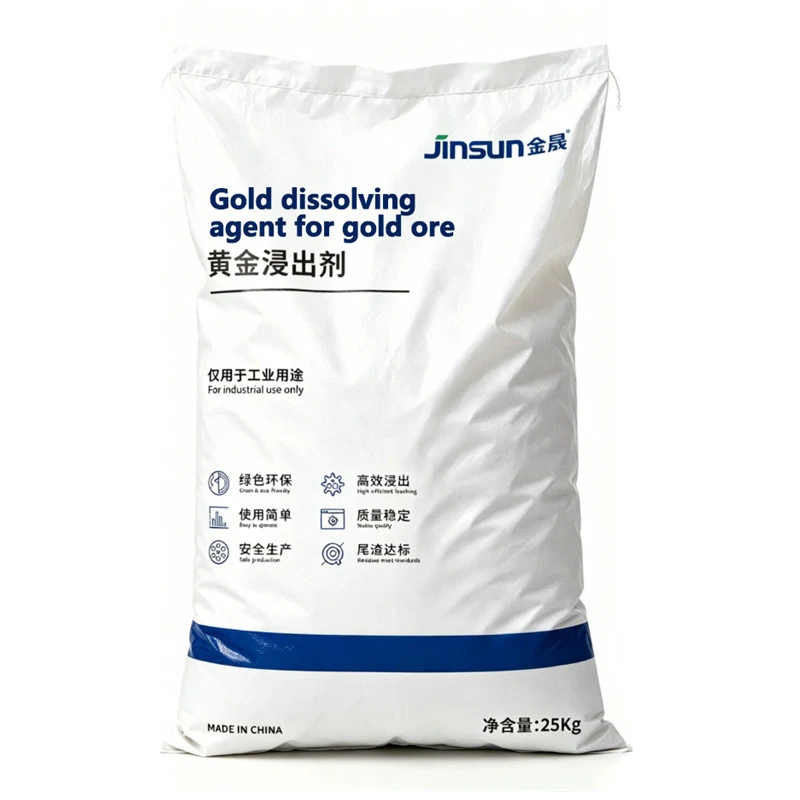
If you’re in the market for high – quality electroplating solutions with the right surfactants, we’re here to help. We’ve got a wide range of products that are formulated to meet different electroplating needs. Whether you’re plating a small jewelry piece or a large industrial component, we can provide you with the right solution.
Gold Dressing Agent If you’re interested in discussing your specific requirements or want to learn more about our products, don’t hesitate to reach out. We’re always happy to have a chat and see how we can assist you in getting the best electroplating results.
References
- "Electroplating Engineering Handbook" by Lowenheim, F. A.
- "Surfactants in Electroplating" – Journal of Electroplating Technology
- Manufacturer’s guides on surfactant usage for electroplating applications.
Jinsun Chemical (Guangdong) Co., Ltd.
We are one of the most professional electroplating solution manufacturers and suppliers in China, featured by quality products and good price. Please rest assured to buy customized electroplating solution made in China here from our factory. Also, pricelist is available.
Address: Room 101&102, Building B1, No.136 Kaiyuan Avenue, Huangpu District, Guangzhou City
E-mail: Wangqun@jinsheng-chemical.com
WebSite: https://www.jinsunchem.com/
