Flat tempered glass is a remarkable building material that offers both strength and aesthetic appeal. As a supplier of flat tempered glass, I’ve had the privilege of witnessing its versatility and impact in construction projects. In this blog post, I’ll explore how flat tempered glass interacts with other building materials, highlighting its compatibility, benefits, and considerations. Flat Tempered Glass
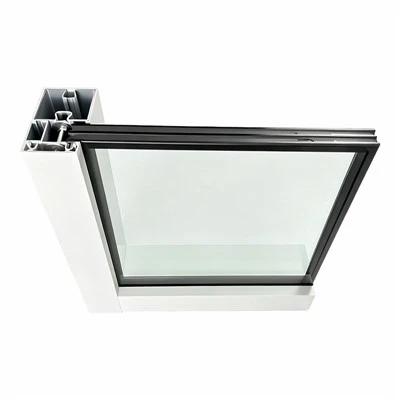
Interaction with Metals
Metals are commonly used in construction for various purposes, such as framing, support structures, and decorative elements. Flat tempered glass and metals can form a harmonious combination, offering both functionality and visual appeal.
Compatibility
One of the key advantages of using flat tempered glass with metals is their compatibility. Tempered glass is highly resistant to thermal stress, making it suitable for use in environments where it may come into contact with metal frames that can expand and contract with temperature changes. This resistance helps prevent the glass from cracking or shattering due to thermal fluctuations.
Benefits
- Structural Integrity: Metal frames provide excellent support for flat tempered glass, enhancing the overall structural integrity of the building. This combination is commonly used in curtain walls, windows, and doors, where the glass is held securely in place by the metal frame.
- Aesthetic Appeal: Metals come in a variety of finishes and colors, allowing for a wide range of design possibilities. The sleek and modern look of metal frames can complement the transparency and smooth surface of flat tempered glass, creating a contemporary and stylish appearance.
- Weather Resistance: Both flat tempered glass and metals are highly durable and resistant to weather conditions. This makes them ideal for use in exterior applications, where they can withstand exposure to rain, wind, and sunlight without deteriorating.
Considerations
- Corrosion: Some metals, such as steel, are prone to corrosion when exposed to moisture. To prevent this, it’s important to use appropriate protective coatings or finishes on the metal frames. Additionally, proper sealing and drainage systems should be installed to prevent water from accumulating around the glass and metal components.
- Thermal Conductivity: Metals are good conductors of heat, which can lead to thermal bridging and energy loss. To minimize this effect, thermal breaks can be incorporated into the metal frames to reduce heat transfer between the interior and exterior of the building.
Interaction with Wood
Wood is a traditional building material that offers a warm and natural aesthetic. When combined with flat tempered glass, it can create a unique and inviting atmosphere in any space.
Compatibility
Flat tempered glass and wood can be easily combined using various installation methods, such as glazing, framing, or mounting. The smooth surface of the glass provides a contrast to the texture of the wood, creating an interesting visual effect.
Benefits
- Aesthetic Appeal: The combination of glass and wood offers a unique blend of modern and natural elements. The transparency of the glass allows for views of the surrounding environment, while the warmth and texture of the wood add a touch of elegance and comfort.
- Acoustic Insulation: Wood has good acoustic insulation properties, which can help reduce noise transmission. When combined with flat tempered glass, which also has some acoustic insulation capabilities, the overall acoustic performance of the building can be improved.
- Sustainability: Wood is a renewable resource, making it a sustainable choice for construction. By using flat tempered glass in combination with wood, the environmental impact of the building can be further reduced.
Considerations
- Moisture Resistance: Wood is susceptible to moisture damage, which can cause it to warp, rot, or develop mold. To prevent this, it’s important to use treated or moisture-resistant wood and to ensure proper ventilation and drainage around the glass and wood components.
- Fire Resistance: Wood is a combustible material, which can pose a fire hazard in certain applications. To improve the fire resistance of the building, fire-rated flat tempered glass can be used in combination with fire-resistant wood or other fire-rated materials.
Interaction with Concrete
Concrete is a widely used building material known for its strength and durability. When combined with flat tempered glass, it can create a modern and industrial aesthetic.
Compatibility
Flat tempered glass can be easily integrated into concrete structures using various methods, such as casting the glass into the concrete or using mechanical connectors to attach the glass to the concrete surface.
Benefits
- Structural Integrity: Concrete provides a strong and stable base for flat tempered glass, allowing it to withstand high loads and stresses. This combination is commonly used in large-scale projects, such as commercial buildings, where the glass is used as a facade or partition.
- Aesthetic Appeal: The smooth and sleek surface of flat tempered glass can complement the rough and textured appearance of concrete, creating a contrast that adds visual interest to the building.
- Energy Efficiency: Concrete has good thermal mass properties, which can help regulate the temperature inside the building. When combined with flat tempered glass, which can provide insulation and solar control, the energy efficiency of the building can be improved.
Considerations
- Shrinkage and Cracking: Concrete undergoes shrinkage as it cures, which can cause cracking if not properly controlled. This can be a concern when using flat tempered glass, as cracks in the concrete can potentially damage the glass. To prevent this, appropriate reinforcement and expansion joints should be included in the concrete design.
- Sealing and Waterproofing: Concrete is porous and can allow water to penetrate, which can lead to damage of the glass and other building materials. Proper sealing and waterproofing measures should be taken to prevent water from entering the building through the concrete-glass interface.
Interaction with Stone
Stone is a natural and durable building material that offers a timeless and elegant aesthetic. When combined with flat tempered glass, it can create a luxurious and sophisticated look.
Compatibility
Flat tempered glass and stone can be combined using various installation methods, such as using adhesive or mechanical connectors to attach the glass to the stone surface. The smooth surface of the glass provides a contrast to the texture of the stone, creating an interesting visual effect.
Benefits
- Aesthetic Appeal: The combination of glass and stone offers a unique blend of modern and natural elements. The transparency of the glass allows for views of the surrounding environment, while the beauty and durability of the stone add a touch of luxury and elegance.
- Durability: Both flat tempered glass and stone are highly durable materials that can withstand the test of time. This makes them ideal for use in exterior applications, where they can withstand exposure to weather conditions and wear and tear.
- Sustainability: Stone is a natural and renewable resource, making it a sustainable choice for construction. By using flat tempered glass in combination with stone, the environmental impact of the building can be further reduced.
Considerations
- Weight: Stone is a heavy material, which can pose a challenge when installing flat tempered glass. Proper structural support and installation methods should be used to ensure the safety and stability of the glass and stone combination.
- Sealing and Waterproofing: Stone is porous and can allow water to penetrate, which can lead to damage of the glass and other building materials. Proper sealing and waterproofing measures should be taken to prevent water from entering the building through the stone-glass interface.
Conclusion
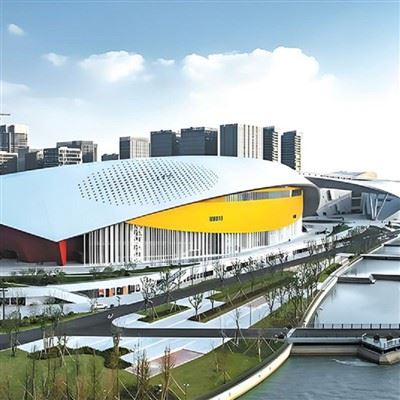
Flat tempered glass is a versatile building material that can interact effectively with a variety of other building materials, including metals, wood, concrete, and stone. When combined with these materials, flat tempered glass can enhance the structural integrity, aesthetic appeal, and energy efficiency of the building.
As a supplier of flat tempered glass, I’m committed to providing high-quality products and expert advice to help you achieve your construction goals. Whether you’re a builder, architect, or homeowner, I encourage you to consider the benefits of using flat tempered glass in your next project.
Fire Rated Glass If you’re interested in learning more about our flat tempered glass products or have any questions about how they can interact with other building materials, please don’t hesitate to contact me. I’d be happy to discuss your specific needs and provide you with a customized solution.
References
- ASTM International. (2018). Standard Specification for Heat-Treated Flat Glass for Safety Glazing Materials in Buildings. ASTM C1048-18.
- Fenestration and Glazing Industry Alliance. (2021). FGIA Standards and Technical Documents. Retrieved from https://www.fgia.org/standards
- National Glass Association. (2021). Glass in Construction. Retrieved from https://www.glasswebsite.com/construction
Suzhou Dingcheng Tempered Glass Co., Ltd.
As one of the most professional flat tempered glass manufacturers and suppliers in China, we also support customized service. We warmly welcome you to wholesale high quality flat tempered glass made in China here from our factory. If you have any enquiry about free sample, please feel free to email us.
Address: No.777 Limin North Road, Lili Town, Wujiang District, Suzhou City, Jiangsu Province
E-mail: Dingchengglass@163.com
WebSite: https://www.dingchengglass.com/
