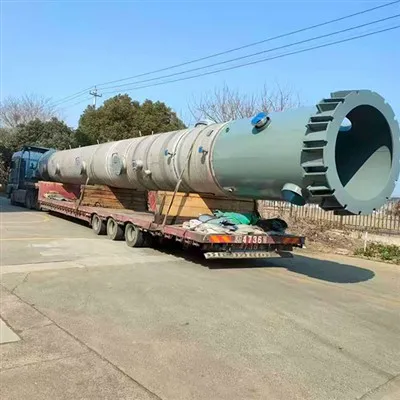
As a supplier of PMMA Cracking Furnaces, I’m often asked about how these remarkable pieces of equipment work. In this blog post, I’ll take you on a detailed journey through the inner workings of a PMMA Cracking Furnace, explaining the science, technology, and processes involved. PMMA Cracking Furnace
Understanding PMMA
Before delving into the operation of the cracking furnace, it’s essential to understand what PMMA is. PMMA, or Polymethyl Methacrylate, is a transparent thermoplastic commonly known as acrylic or plexiglass. It is widely used in various industries due to its excellent optical clarity, high impact resistance, and weatherability. PMMA is synthesized through the polymerization of methyl methacrylate (MMA) monomers.
The Need for Cracking
In the production and recycling of PMMA, cracking is a crucial process. Cracking involves breaking down the PMMA polymer into its monomer components, mainly MMA. This is beneficial for several reasons. Firstly, it allows for the recycling of waste PMMA materials, which is not only environmentally friendly but also economically viable. Secondly, obtaining high – purity MMA monomer through cracking can be used for the production of new PMMA products, ensuring the quality and performance of the final plastic.
Components of a PMMA Cracking Furnace
A PMMA Cracking Furnace consists of several key components, each playing a vital role in the cracking process:
- Feeding System: The feeding system is responsible for introducing the PMMA waste materials into the furnace. It can handle various forms of PMMA, such as sheets, rods, or granulated waste. Precise control of the feeding rate is crucial to maintain a stable cracking process.
- Heating Elements: These are the heart of the cracking furnace. The heating elements are designed to raise the temperature of the PMMA to the cracking point. They can use different energy sources, including electricity, natural gas, or oil, depending on the specific design and requirements of the furnace.
- Reaction Chamber: This is where the actual cracking reaction takes place. The chamber is made of materials that can withstand high temperatures and corrosive substances produced during cracking. It is designed to provide a uniform temperature distribution and sufficient residence time for the PMMA to crack.
- Condensation System: After the PMMA is cracked into monomer vapor and other by – products, the condensation system is used to cool down the vapor. This results in the separation of the MMA monomer and other condensable substances from non – condensable gases.
- Purification System: The purified MMA monomer is obtained through a purification system. This system can remove impurities, such as oligomers, remaining polymers, and other contaminants, ensuring the high purity of the final product.
The Cracking Process
The operation of a PMMA Cracking Furnace can be divided into several main steps:
1. Feeding
The PMMA waste materials enter the furnace through the feeding system. The size, shape, and composition of the feedstock can vary, and the feeding system is usually adjustable to accommodate different types of input. The waste is typically pre – treated to remove any contaminants, such as dirt, labels, or other non – PMMA materials.
2. Heating
Once inside the reaction chamber, the PMMA is exposed to high temperatures provided by the heating elements. The cracking temperature of PMMA is typically in the range of 350 – 450°C. As the temperature rises, the long – chain polymer molecules of PMMA start to break down. The heat energy breaks the chemical bonds between the monomer units, initiating the cracking reaction.
3. Cracking Reaction
In the reaction chamber, the PMMA undergoes a thermal cracking reaction. The polymer chains break into smaller fragments, mainly MMA monomers, along with some oligomers and other by – products. The reaction is endothermic, meaning it requires heat input. The design of the reaction chamber ensures that the PMMA is evenly heated, and the reaction proceeds efficiently.
4. Vaporization and Separation
As the cracking reaction progresses, the MMA and other volatile by – products turn into vapor. The non – condensable gases, such as carbon dioxide and small amounts of hydrocarbons, are separated from the vapor. The vapor then enters the condensation system.
5. Condensation
In the condensation system, the vapor is cooled down. The MMA monomer and other condensable substances condense into liquid form. The cooling process is carefully controlled to ensure maximum recovery of the MMA monomer. The non – condensable gases are usually vented or further processed for energy recovery.
6. Purification
The condensed liquid contains the MMA monomer along with some impurities. The purification system uses various techniques, such as distillation, filtration, and chemical treatment, to remove these impurities. The goal is to obtain high – purity MMA monomer, which can be used for the production of new PMMA products.
Factors Affecting the Cracking Process
Several factors can influence the performance of a PMMA Cracking Furnace:
- Temperature: The cracking temperature is a critical factor. If the temperature is too low, the cracking reaction may not occur efficiently, resulting in incomplete conversion of PMMA. On the other hand, if the temperature is too high, it can lead to the formation of unwanted by – products and degradation of the MMA monomer.
- Residence Time: The residence time of PMMA in the reaction chamber is important. Sufficient residence time allows the cracking reaction to reach completion, but too long a residence time can cause over – cracking and the formation of more by – products.
- Feedstock Quality: The quality of the PMMA feedstock affects the cracking process. Contaminants in the feedstock can reduce the efficiency of the cracking reaction, damage the furnace components, and affect the purity of the final product.
- Heating Rate: The rate at which the PMMA is heated can impact the cracking process. A rapid heating rate can lead to uneven cracking, while a slow heating rate may increase the overall processing time.
Advantages of Our PMMA Cracking Furnaces
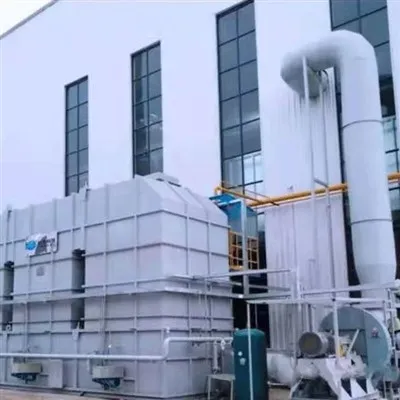
As a supplier, we take pride in the quality and performance of our PMMA Cracking Furnaces. Our furnaces are designed with the latest technology and engineering expertise to ensure:
- High Efficiency: Our furnaces are optimized to achieve high conversion rates of PMMA to MMA monomer, reducing waste and maximizing the recovery of valuable materials.
- Energy Saving: We use advanced heating systems and insulation materials to minimize energy consumption, which not only reduces operating costs but also makes our furnaces more environmentally friendly.
- Reliability and Durability: The components of our furnaces are made of high – quality materials that can withstand the harsh conditions of the cracking process. This ensures long – term reliability and minimal maintenance requirements.
- Customization: We understand that different customers have different needs. Therefore, our PMMA Cracking Furnaces can be customized to handle various feedstock types, production capacities, and specific process requirements.
Contact Us for Purchasing and Negotiation
Distillation Column If you are interested in our PMMA Cracking Furnaces, we invite you to contact us for further discussion. Our team of experts is ready to provide you with detailed information, answer your questions, and offer customized solutions based on your specific needs. Whether you are a large – scale manufacturer looking to improve your recycling process or a start – up in the PMMA industry, our furnaces can help you achieve your production goals efficiently and economically.
References
- "Plastic Recycling Technology" by various authors, which provides in – depth knowledge of plastic cracking processes and related equipment.
- Research papers on the thermal degradation and cracking of PMMA published in polymer science and engineering journals. These papers offer scientific insights into the reaction mechanisms and influencing factors of PMMA cracking.
Wuxi Quansheng Industrial Equipment Co., Ltd.
As one of the most professional PMMA cracking furnace manufacturers and suppliers in China, we have world-leading production equipment and strong manufacturing capabilities. Welcome to buy high quality PMMA cracking furnace for sale here from our factory. For price consultation, contact us.
Address: No.10, Fulaiqiao Road, Hudai Town, Binhu District, Wuxi City, Jiangsu Province, China
E-mail: 397293586@qq.com
WebSite: https://www.pmmatech.com/
