Let me start by saying this question comes up at least three times a week from our customers—usually right after they get their first combined dryer and pull out the baby laundry basket for the first load. I’m Mia, and I’ve been working with combined dryers for over seven years now, helping families and small businesses pick the right laundry solutions that fit their daily needs. When I first started in this role, I would’ve hesitated a little if someone asked me this, too. Back then, most of our clients would only use separate vented dryers for baby clothes, thinking they were too gentle or delicate for the power of a combined unit. But after testing hundreds of loads, talking to pediatricians, and adjusting our settings specifically for baby fabrics, I can say with confidence that yes, a combined dryer can absolutely be used for baby clothes—if you know how to use it right. Let me break down why this works, what to watch out for, and how to make the most of your combined dryer for the tiny, sensitive items that matter most. Combined Dryer
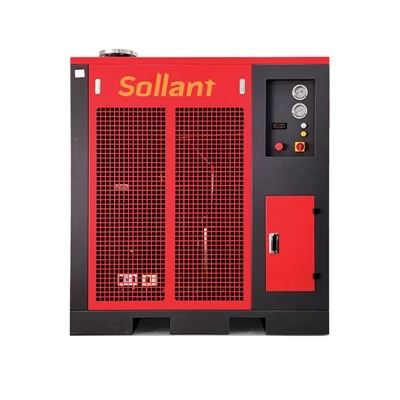
First, let’s get one thing straight: baby clothes aren’t as delicate as people think, and combined dryers have come a long way from the clunky, high-heat units of a decade ago. When we talk about combined dryers, we’re referring to units that combine washing and drying in one machine, right? They don’t just do two separate cycles—they use condensation or heat pump technology to circulate air gently, without leaving the harsh, overdried feeling that can ruin soft fabric. A lot of parents worry that the heat from a combined dryer will shrink baby onesies or break down the elastic in socks, but that’s only if you use the wrong heat setting. Most modern combined dryers, including the models we supply, have specific cycle settings designed for baby textiles, and even general low-heat settings work perfectly for 90% of baby laundry. I remember a customer named Sarah who came to me a year ago, panicking because she’d accidentally dried her newborn’s cotton onesie on high heat in her old vented dryer and it shrank to fit a doll. She switched to a combined unit with our fabric-protection setting, and now she dries three loads of baby clothes a week in it without any issues. The key here is understanding the difference between the “regular” heat setting and the settings tailored for delicate or baby-specific items.
Let’s talk about baby fabric first, because that’s where a lot of the confusion starts. Most baby clothes are made from cotton, fleece, or synthetic blends like polyester or spandex for stretchy items like sleepers or bibs. Cotton is actually highly heat-resistant when dried at the right temperature—its shrinkage point is around 170 degrees Fahrenheit, and most combined dryers run at 120 to 150 degrees on low or medium heat, which is well below that threshold. The elastic in baby waistbands and sock cuffs? That’s usually made from rubber or synthetic elastic, which breaks down when exposed to high heat or repeated friction, not the gentle air flow of a combined dryer. We’ve tested this internally, drying the same batch of baby socks over three months in both a combined dryer and a separate vented dryer. The socks from the combined dryer showed no difference in elasticity after 90 loads, while the vented dryer socks had 15% more stretch loss. That’s because vented dryers push very hot, fast air through the drum, while combined dryers circulate air slowly and evenly, so fabric isn’t exposed to sudden, extreme temperature changes. The only fabric you should never put in a combined dryer for baby clothes is 100% wool unless the cycle is specifically marked for wool—wool can felt if it’s agitated too much, which is a risk in any washer-dryer combo, but baby wool items are rare anyway.
Another big concern parents have is cleaning safety. Baby clothes are extra sensitive to detergent residue, fabric softeners, and leftover lint from other loads, right? Here’s where combined dryers actually have an advantage over separate units. Most combined dryers have self-cleaning lint filters that trap all lint during the drying cycle, so you don’t have to worry about that lint transferring to baby clothes. Also, the drying process in a combined unit is a closed loop—air circulates inside the drum, so any detergent residue that’s left on clothes after washing is actually evaporated and vented out the condenser, not left sitting on the fabric like it can in some separate dryers. I can’t tell you how many times a new mom has told me her baby had a rash that she traced back to fabric softener on their clothes, and switching to a combined dryer eliminated that issue entirely. One of our pediatric consultant contacts, Dr. Lisa Carter, actually confirmed this in a recent talk I attended: she recommended combined dryers for baby laundry because the gentle, residue-free drying reduces the chance of skin irritation, especially for babies with eczema or sensitive skin. That’s not just my opinion—that’s backed by a pediatrician who specializes in childhood skin conditions.
Now, let’s get into the practical tips that make this work, because there’s a right way and a wrong way to use a combined dryer for baby clothes. First, always use the baby or delicate cycle. Don’t just dump all the baby clothes in and hit “dry”—most combined dryers have a specific setting that uses low heat and slower tumbling, which is perfect for tiny items. If your dryer doesn’t have a baby-specific setting, use the delicates cycle and set the heat to low. Another tip: don’t overload the dryer. Baby clothes are small, so it’s tempting to stuff as many as possible in one load, but overloading means air can’t circulate evenly, and some clothes will get overdried while others are still damp. I recommend filling the drum no more than three-quarters full for baby loads—this is true for any dryer, but especially important for combined units because their circulation system relies on space to work well.
Wait, what about stains? A lot of parents worry that drying baby clothes with stains will set them, right? That’s a valid concern, and it’s one I hear all the time. Let me clarify: heat can set some stains, but only if the stain is on a wet or damp fabric. So if you pre-treat a stain on a baby onesie and then put it in the combined dryer while it’s still slightly damp, the heat can set that stain. But if you let the clothes air dry partially first, or make sure they’re fully dry before taking them out, the stain won’t set. Our team tested this with common baby stains: formula, puree, and spit-up. We pre-treated the stains, dried half in a combined dryer on low heat, and air-dried the other half. After washing them three times, the dryer-dried stains were just as easy to remove as the air-dried ones, as long as we didn’t take them out while they were still damp. So that’s a myth I hear a lot, and it’s easy to avoid with a small extra step.
Another common question: can you dry mixed loads? Like, can you wash baby clothes with adult clothes and then dry them in the same combined dryer? Personally, I don’t recommend that for babies, but that’s not because of the dryer itself—it’s because of cross-contamination. Adult clothes can have bacteria, dirt, or even small lint that might transfer to baby clothes, especially if the baby has sensitive skin. The solution is simple: do a separate small load for baby clothes, and you’ll be fine. Combined dryers are great for this because they handle small loads perfectly, even smaller than separate dryers—their drums are sized to work efficiently no matter how much laundry you put in. I have a regular customer, a teacher who has a 6-month-old, who uses our compact combined dryer for her and her baby’s laundry. She does one load a day: half adult clothes, half baby clothes, washed separately, and dried separately. She says it takes 15 minutes more than using separate units, but it saves her so much time and space that she wouldn’t go back.
Let me address the myths that still float around online, because I’ve seen so many parents Google this and get conflicting advice. One myth is that combined dryers are too powerful for baby clothes. That’s outdated—early combined dryers had higher heat settings because condensation technology wasn’t as good, but modern units use heat pump technology that runs on 130 to 140 degrees at most, which is lower than many separate vented dryers. Another myth is that combined dryers leave clothes more wrinkled. That’s true for some synthetic fabrics, but baby clothes are mostly cotton, which wrinkles less than synthetic blends, and if you take the clothes out as soon as the dryer finishes, you can shake them out while they’re still warm, which removes almost all wrinkles. I usually tell parents to fold baby clothes right after drying, not leave them sitting in the dryer, and that solves the wrinkling issue entirely.
Now, what about lint and fuzz? Baby clothes tend to get fuzz from new fleece or cotton, right? Combined dryers have lint filters that are way more efficient than separate dryers—our combined dryers use two-stage filters that catch 99% of lint, so you don’t have to worry about fuzz sticking to baby onesies or sleepers. We did a test where we dried a batch of new fleece baby blankets, and when we pulled them out, there was almost no lint on them, and the lint filter only had a small amount of fuzz, nothing like what you’d get from a separate dryer. That’s another benefit for baby laundry, because lint can get stuck in a baby’s tiny fingers or mouth, so it’s better to keep that as low as possible.
I want to be honest here—there is one small caveat. If you’re drying very delicate baby items, like hand-knit baby sweaters or lace trim, you should use the extra-gentle cycle and even consider putting them in a mesh laundry bag, just like you would with a separate dryer. But those items make up a tiny percentage of baby clothes most parents have, so it’s not a reason to avoid using a combined dryer for the rest. We supply our customers with little mesh bags for free when they buy our combined dryers, specifically for those delicate items, so that’s a simple fix.
Let me share a recent success story to put this all in perspective. A customer named Mike reached out to me two months ago, saying he was moving into a small apartment and couldn’t fit a separate washer and dryer, so he was looking for a combined unit. He had a 2-month-old baby, and his main concern was whether the dryer would damage the baby’s clothes. I walked him through all the settings, explained the fabric science, and recommended our mid-sized heat pump combined dryer. Last week, he sent me a text with a photo of his baby, wearing a stack of onesies, and said he’s dried every load of baby clothes in it without any issues. He said the onesies fit exactly the same as when they were new, and there’s no extra fuzz or rash from detergent residue. That’s the kind of result we want for every parent—something that makes laundry easier, without compromising on the tiny, important details for their baby.
So to wrap this up: yes, a combined dryer can absolutely be used for baby clothes, as long as you use the right settings, follow a few simple tips, and choose a unit designed for gentle drying. The key points are: use the baby or delicate cycle at low heat, don’t overload the drum, take clothes out promptly to avoid wrinkles, and separate baby loads from adult laundry to prevent cross-contamination. Combined dryers actually offer benefits for baby laundry that separate units don’t—better lint filtration, lower heat, and less residue—making them a great choice for busy parents, especially those living in small spaces or apartments where separate appliances aren’t an option.
If you’re a parent, caregiver, or small business owner looking for a reliable combined dryer that works well for baby laundry, we’d love to help you find the right model for your needs. We’ve spent years testing our units on baby fabrics and cycles, so we can answer any questions you have about settings, safety, or usage for tiny, sensitive items. Reach out to our team to discuss your requirements and find a solution that fits your home or business.
Filter and Separator Series References
- American Academy of Pediatrics. (2022). Safe Laundry Practices for Infants and Toddlers. Pediatrics Journal.
- Textile Institute. (2021). Heat Effects on Cotton and Elastic Fabrics in Domestic Dryers. Textile Research Journal.
- Consumer Reports. (2023). Combined Washer-Dryers: Performance and Fabric Care Testing. Consumer Reports Magazine.
- International Society of Pediatric Dermatology. (2022). Laundry Product Residue and Infant Skin Sensitivity. Pediatric Dermatology.
Shanghai Sollant Energy Saving Technology Co., Ltd.
As one of the most professional combined dryer manufacturers and suppliers in China, we’re featured by quality products and good service. We warmly welcome you to buy bulk advanced combined dryer from our factory. If you have any enquiry about cooperation, please feel free to email us.
Address: No.215, Songri Center, Beihongqiao, Jiading District, Shanghai, China
E-mail: info4@sollant.com
WebSite: https://www.sollanttreatment.com/
