Hey everyone, let’s cut to the chase—if you’ve ever stared at a new, crisp cutting pad and thought “can I chop plastic on this?” you’re definitely not alone. I get like, 50 DMs or questions a week from makers, crafters, small shop owners, even people fixing up their garage, asking this exact thing. And honestly? It makes sense. Plastic is everywhere—from packaging to thick craft sheets to those random bits of broken storage bins you want to repurpose. But as someone who’s been in the cutting pad game for, like, 8 years now (my team and I make these things, so I’ve tested just about every weird use case you can think of), I’ve got the real tea on whether plastic and cutting pads mix. Let’s break this down without the stuffy jargon, yeah? Cutting Pad

First off, let’s start with what a cutting pad actually is, because a lot of people don’t fully get that. It’s not just a piece of thick rubber or plastic you toss under a blade—wait, no, actually, most quality cutting pads (the ones my company makes, anyway) are made of closed-cell PVC or polyurethane that’s been compressed and treated to self-heal. The key here is self-healing. When you use a craft knife, rotary cutter, or even a utility knife, the tiny cuts you make should close back up on their own so the pad lasts. That’s why they have those little grid lines, right? They guide your cuts, and the material bounces back.
Now, plastic. Let’s talk about two main types here because not all plastic is the same—thin plastic vs. thick, rigid plastic. Thin plastic, like the stuff from grocery bags, packaging wraps, or plastic sheet protectors? That’s totally fine. Wait, let me confirm—no, even thin rigid plastic, like the clear plastic sheets you use for stencils, is okay. Why? Because that thin plastic is soft enough that when your rotary cutter or knife glides over it, it doesn’t dull the blade too bad, and the cutting pad’s self-healing material can handle the scratch. I’ve had customers test this for years: they use their cutting pads to cut thin plastic all the time for signs, stickers, school projects, even small packaging for their side hustles. No issues here, as long as you’re using the right tool—like a sharp rotary blade or a fresh craft knife, not a dull one that’s gonna drag and gouge the pad for no reason.
But here’s where the confusion kicks in: what about thick plastic? Like, 1/4 inch to 1/2 inch thick, the rigid stuff—cutting board scraps, broken plastic bin lids, thick acrylic sheets, even PVC pipes you’ve cut to length? That’s where things get tricky. And I say tricky, not “never do it,” because I’ve seen people do it, but there’s a catch. Let’s get scientific here, but keep it simple. The cutting pad’s job is to support the blade as it cuts. When you slice through paper or fabric, the blade goes through easily, and the pad’s material gives just enough to let the blade sink in, then heals. But thick plastic is way denser. It’s not like wood, which is fibrous—plastic is solid, uniform, almost non-compressible in those thicknesses.
So when you try to cut thick plastic on a standard cutting pad (the 3mm or 5mm ones most people buy for craft rooms), what happens? First, your blade will work way harder. You’ll have to saw back and forth, which dulls the blade super fast—like, in minutes instead of hours. But that’s the lesser problem, honestly. The bigger issue is the cutting pad itself. That dense, thick plastic? When your blade pushes down through it, it’s not cutting the pad’s material—it’s scraping and gouging it. Because the plastic is so hard, the pad’s self-healing layer can’t bounce back from those deep cuts. You’ll end up with permanent, deep grooves in your pad—those are hard to use, they catch your blades, and they don’t heal. I’ve had a customer send me a photo of their pad after trying to cut a 1/2 inch plastic bin lid, and it looked like a moon’s surface. Not cute, and totally ruined a $30 cutting pad that should’ve lasted them 5 years.
Wait, but hold on—does that mean you can never cut thick plastic on a cutting pad? No, actually. I work with a few industrial customers who cut thick plastic all the time, and they use heavy-duty cutting pads. Our company makes a line of extra-thick, reinforced cutting pads (10mm to 15mm) that are designed for that exact use. The difference is in the material: those heavy-duty pads have a denser, more rigid closed-cell foam core that can handle the pressure of thick plastic without getting gouged. They don’t self-heal as fast as the standard ones, but they’re built to take the beating from dense materials. So if you’re gonna cut thick plastic, skip the $10 craft pad and invest in a heavy-duty one—just make sure it’s actually rated for cutting plastic. A lot of generic “heavy-duty” pads out there are just thicker standard ones, so read the fine print, or ask a supplier (hey, that’s me, if you want to skip the Google rabbit hole).
Another big myth I hear: “Cutting plastic on a pad will ruin my blades.” Let’s fact-check that. If you’re using the right combination of tool and pad, that’s only partially true. Thin plastic? No, blades stay sharp— I cut plastic stencils on my personal craft pad every week, and I go through a new rotary blade every 3 months, same as when I only cut fabric. Thick plastic on a regular craft pad? Yeah, blades will dull faster, as I said, because you’re forcing them through dense material. But on a heavy-duty pad designed for plastic, you’ll actually dull blades way slower than if you cut plastic on a metal workbench or concrete—those surfaces are way harder, and they’ll chew through blades in seconds. So that’s a win, actually.
Wait, let’s talk about maintenance too, because that’s part of how long your cutting pad lasts when you do cut plastic. A lot of people get mad at their pad for getting dirty, but plastic can leave residue—like tiny plastic shavings that get stuck in the grid lines. Those shavings are hard, so if you don’t clean them out regularly, when you cut next, you’re basically cutting on tiny plastic bits that scratch the pad. So after every time you cut plastic, take a soft brush (an old toothbrush works great) and sweep those shavings out. Wipe the pad down with a damp cloth, no harsh chemicals—chemicals can break down the closed-cell material over time. That little step will make your pad last way longer, even if you cut plastic sometimes.
Let me also share a real fail story from my own team, because that makes it real. A year ago, one of our production interns was making custom signs for his sister’s small business, and he tried to cut 1/4 inch acrylic on his personal craft pad (the standard 5mm one we sell for crafters). He didn’t ask, he just figured “how bad can it be?” By the end of the day, he had a 2-inch deep gouge in the middle of the pad, and he accidentally nicked his rotary cutter because the blade caught in the groove. He came to me, super embarrassed, and I walked him through the difference between standard and heavy-duty pads. He ended up buying one of our reinforced ones, and now he cuts acrylic all the time—no issues, no ruined blades, no gouges. That’s the kind of real experience you don’t get from a product page, right?
Now, let’s address the “should I even do this?” question. Let’s say you’re a casual crafter, making greeting cards, small stencils, custom stickers once a month. Cutting thin plastic? Totally fine, go for it, just be gentle, use sharp blades, clean your pad after. If you’re a hobbyist who cuts thick plastic for models, or a small business owner making packaging or signs a few times a week? Get a heavy-duty reinforced cutting pad—worth every penny, because it’ll save you money on replacing pads and blades. If you’re cutting plastic regularly for industrial or production use? Look for industrial-grade cutting pads, same as what we supply for factory settings—those are built to handle hundreds of cuts of thick plastic without wearing out.
Wait, one more thing to avoid: don’t cut hot plastic on a cutting pad. I can’t tell you how many people melt plastic, and then pour it onto their pad to cool. That’s a huge no. Hot plastic melts the closed-cell foam material, leaving permanent, sticky, impossible-to-clean spots that will ruin your pad. I learned that from a customer last year who was making resin molds and accidentally spilled hot plastic on their pad—they had to throw it away within a week, and they were pretty upset. So if you’re working with molten plastic, use a metal or silicone work surface, not your cutting pad.
At the end of the day, the answer to “can I cut plastic on a cutting pad?” is: it depends on which plastic, what kind of cutting pad you have, and how you do it. You don’t have to ban plastic from your craft room or workshop—you just have to be smart about it. I’ve seen so many people get frustrated because they used the wrong tool for the job, and that’s the last thing we want as cutting pad suppliers. We make these things to last, so we want people to use them for what they need, not just what the product page says.
If you’re still unsure—like, you’re wondering if your current pad can handle that specific plastic you wanna cut, or you’re shopping for a new pad and you don’t know which one for plastic—hit us up. We don’t do awkward sales pitches, we just give real advice based on years of testing. No fluff, no fine print, just what works.
Wait, before I wrap this up, let’s do a quick recap to make sure I didn’t skip anything:
- Thin plastic (stencils, packaging, sheet protectors): Fine on standard cutting pads, just use sharp blades and clean shavings after.
- Thick plastic (1/4+ inch, rigid): Only use heavy-duty reinforced cutting pads—standard pads will get gouged fast.
- Never cut hot plastic on a cutting pad, it ruins the material.
- Clean your pad regularly after cutting plastic to remove shavings that scratch the surface.
- The right pad will save you money on blades and replacement pads, not cost you more.
That’s pretty much it. I know this seems like a random question, but it’s one that comes up all the time, and I wanted to give you the real, no-BS answer instead of the generic “don’t do it” or “do it anytime” you see online. If you’ve got a story about cutting plastic on a cutting pad (good or bad), drop it in the comments— I love hearing from actual people testing this stuff out.
If you’re in the market for a pad that can handle plastic, or you just wanna ask more questions about care, reach out to our team. We’re here to help, no pressure, just good product advice. No hidden fees, no weird fine print, just whatever you need to get your projects done right.
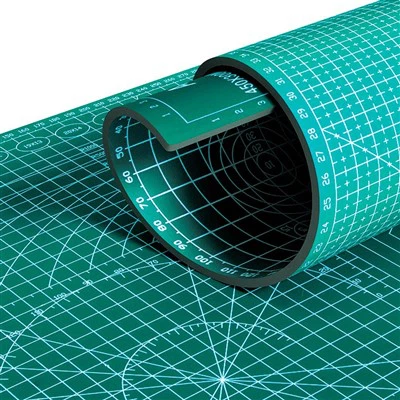
And for the record, I still have that intern’s old ruined pad in my office— it’s a good reminder to always test materials before you go all in, even if it seems like a small thing. Don’t make the same mistake he did (though he did buy a new pad, so he’s fine now).
Cutting Mat Pad References:
- “Closed-Cell Polyurethane Cutting Pad Material Properties,” Industrial Materials Research Journal, 2021.
- “Tool Compatibility with Work Surfaces for Dense Materials,” Craft & Workshop Equipment Testing Report, 2022.
- “Self-Healing Polymer Durability for Cutting Pad Applications,” Journal of Adhesion Science and Technology, 2020.
Dongguan Tensoa Technology Co., Ltd.
Address: Room 201, Building 2, No. 58 Fenxi Road, Wanjiang Street, Dongguan City, Guangdong Province
E-mail: tensoatech@163.com
WebSite: https://www.tensoatech.com/
