If you’ve ever ordered or picked up a metal barrel from our shop, you might’ve noticed they don’t all look the same. Some are bright, almost reflective like a street sign, others are plain old silver, and a few are that darker, smudgy gray that feels like they’ve already put in the work. As a metal barrel supplier, I get asked all the time why we stock so many colors, what they mean, and which one you actually need for your project. Let’s break this down like we’re hanging out by the loading dock, no boring jargon, just real stuff about metal barrels. Metal Barrel
First off, most people don’t realize that metal barrels start off as raw steel or aluminum straight from the mill. Raw steel is basically dull gray, like a new screwdriver you pull out of the package that hasn’t been buffed yet. It’s strong, cheap, and easy to work with, but it rusts if it sits in the rain too long. Aluminum is lighter, doesn’t rust, and starts off silver with a tiny sheen that catches the light if you twist it right. But that raw material isn’t useful for most jobs—you need that color layer, right? That’s where all the different shades come from, and each one has a specific reason it exists.
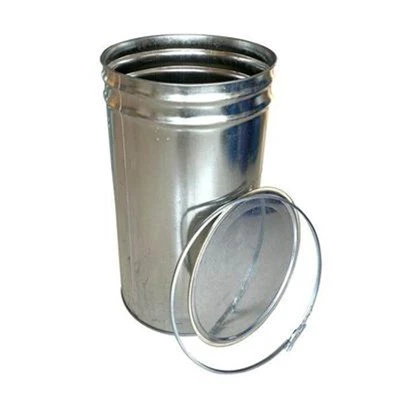
Let’s start with the big one: plain old silver. Wait, not just any silver—this is the industrial silver, sometimes called mill finish silver. It’s the most common color we carry, and for good reason. Almost 60% of the barrels we sell are this silver, and that’s because it’s super versatile. It’s not painted, usually just a thin layer of galvanization (that’s the zinc coating) over steel, which is why it doesn’t rust for a while. We sell these for everything: storing rainwater for farms, holding chemicals for small factories, even packing food sometimes if the inner lining is right. The best part? If you need to paint it yourself later, silver is the easiest base—no special prep, just sand it a little, and your new paint sticks like glue. I had a customer last month who bought 20 silver barrels and turned them into planters for his backyard community garden—he just spray-painted them green and blue, no issues. The only downside is it’s not the most eye-catching if you’re trying to make something look nice, but for functionality, it’s unbeatable.
Next, black barrels. These are everywhere too, and they’re not just black for looks. Most black metal barrels get their color from a powder coating, not regular paint, which is way tougher. Powder coating is that stuff you use for metal patio chairs—you spray it on electrostatically, then bake it so it fuses to the metal. Black is the most popular powder coat color because it hides dirt and scratches so well. If you’re hauling construction debris, or storing messy stuff like oil or garden waste, black doesn’t show the grime like silver does. We also sell a lot of black barrels for waste management companies—they don’t have to clean them as often, and they look professional for dump sites. One thing to note: not all black barrels are the same. Some cheap ones have regular paint that chips off if you drop the barrel, but the powder coat ones last for years. We only stock the powder coat black ones now because the cheap paint ones end up coming back to us for returns. Oh, and black barrels also have better heat resistance than lighter colors—they absorb sunlight, which is good if you need to warm something inside, but bad if you’re storing heat-sensitive stuff. I learned that the hard way a couple years ago when a customer tried storing cleaning chemicals in black barrels in an Arizona warehouse, and the chemicals started to break down because the barrels got too hot. Lesson learned: match color to your use case.
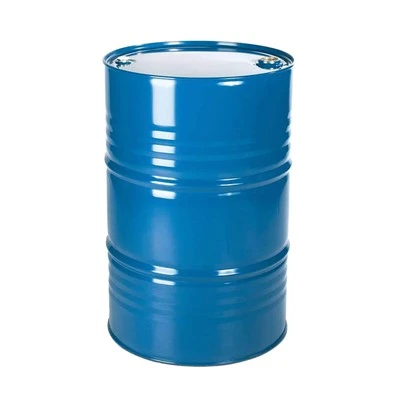
Then there’s blue. Not the bright, electric blue you’d see on a kid’s bike, more like a muted, industrial blue—think the color of a standard shipping container, or a work truck’s toolbox. Blue barrels are super common for chemical storage because there’s a standard color code for industrial chemicals: blue means non-corrosive, non-hazardous liquids like water, detergents, or some types of fuel. A lot of municipal water departments use these for storing treatment chemicals, and small plumbers buy them for holding pipe-cleaning solutions. The blue usually comes from powder coat too, same as black, and it’s designed to withstand chemicals without leaching. We only work with blue barrels that have a food-grade inner lining if customers ask for it, because some people use them for drinking water (as long as they’re not holding anything toxic before). I once had a small brewery buy 5 blue barrels to use as fermentation tanks—they drilled holes in the lids, lined them with food-grade plastic, and they’ve been working great for two years now. That’s the cool thing about metal barrels, they’re so customizable.
Wait, what about brown or tan barrels? Yeah, those exist, too. They’re not as common, but we stock them for specific jobs. Most brown metal barrels are either made from a galvanized steel that’s been treated with a brown coating, or they’re plain steel that’s been aged a little to get that rustic look. I sell a lot of the brown ones to landscapers and hobbyists who use them for decorative planters or fire pits. The brown hides scratches too, like black, but it’s a little warmer looking. A lot of people also use them for storing animal feed, because brown doesn’t look as out of place in a barn or a farm yard. The only thing about brown barrels is that the coating is a little thinner than black or blue powder coat, so if you’re hauling heavy, sharp stuff, you might scratch through it.
And let’s not forget the wild card: stainless steel barrels. These are the silver with a super bright, reflective sheen, not the dull mill silver. Stainless steel barrels are all 100% rust-resistant, which is why they’re the go-to for food and beverage industries. Wineries use them for storing wine, breweries for beer, even coffee roasters use them for holding green coffee beans. The bright finish is nice, but the real sell is that they don’t corrode, so nothing inside them gets contaminated. We only sell small batches of these because they’re way more expensive than regular steel barrels, but they’ve been flying off the shelves lately as more small craft businesses pop up. Last quarter, we shipped 50 stainless steel barrels to a cider maker in Vermont, and he texted me a pic last month of his first batch of cider aging in them, looking perfect.
Now, a lot of people ask about custom colors, and yeah, we do that too. We’ve made barrels for companies in bright red, forest green, even neon yellow for safety roles (like marking fire hydrant access points). The custom colors are usually powder coat, same as the standard ones, so they hold up really well. The only catch is that custom colors take a little longer to get in, about 2 weeks vs. 2 days for standard colors, but most customers are willing to wait if they need a specific color for branding or a project.
Wait, let’s talk about what not to expect. You won’t find pastel pink or purple metal barrels from us, at least not for bulk orders. Those are super custom, and honestly, the powder coat for pastels is thinner because it’s lighter pigment, so they chip way easier. We’ve had a customer ask for pastel pink barrels for a pop-up shop last year, and even though we did a small order, we had to tell them to not haul them around because the paint would scratch. It’s not worth it for a commercial supplier to stock those, since most people need barrels that work hard, not just look cute for a weekend.
Also, a quick note on used barrels, because a lot of people buy those too. Used barrels can be any color, but you have to be careful. Some used black barrels are painted over old rust, which means the paint might peel and expose rust. Used blue barrels might have had toxic chemicals in them, so you can’t use them for food. If you’re buying used, stick to sellers you trust, or just buy new from a supplier like us—we test every barrel for chemical residue and rust before it leaves our shop.
As someone who’s been in the metal barrel game for 8 years, I can tell you that the color of a barrel isn’t just a marketing trick. It’s tied to what it’s made of, what it can hold, and how long it lasts. You don’t have to overthink it—if you’re not sure, just tell us what you’re using the barrel for, and we’ll point you to the right color. Whether you need a cheap silver barrel for a DIY project, a black one for waste management, or stainless steel for your brewery, we’ve got you covered.
If you need to place an order, or just have questions about which color works best for your job, hit us up. We’re here to help, no salesy stuff, just honest advice that comes from hauling barrels and dealing with real customer problems every day. Whether you’re a small business owner, a landscaper, or just someone who needs a bunch of barrels for a project, we can get you the right ones, at a fair price, with no hidden fees.
Steel Barrel References:
- Steel Tank Institute/Steel Plate Fabricators Association. (2021). Industrial Metal Barrel Coatings & Color Standards. Retrieved from industry technical publications
- American Welding Society. (2020). Corrosion Resistance of Coated Steel for Industrial Containers. Retrieved from technical research databases
- Food and Drug Administration. (2022). Food-Grade Material Specifications for Storage Containers. Retrieved from regulatory industry guidelines
- Powder Coating Manufacturers Association. (2021). Performance Characteristics of Industrial Powder Coatings. Retrieved from industry resource documents
- National Solid Waste Management Association. (2022). Color Coding for Industrial Waste Containers. Retrieved from operational safety guides
Anhui Lining Packaging Container Co., Ltd.
We are one of the most professional metal barrel manufacturers and suppliers in China, also support customized service. Please rest assured to wholesale bulk high quality metal barrel in stock here from our factory. If you have any enquiry about quotation, please feel free to email us.
Address: Maodikou Village, Dangshan County, Anhui Province
E-mail: In13905677285@126.com
WebSite: https://www.liningpack.com/
