Hey everyone, thanks for swinging by my little corner of the web! For anyone who’s stumbled here because they’re on the hunt for casement doors, or just curious about what’s actually possible with these swing-open beauties, let’s cut to the chase: yes, casement doors come in a TON of different finishes. I’ve been supplying casement doors for over a decade now, and one thing I’ve learned is that homeowners, contractors, and architects don’t just care about how a door works—they want it to look good too, match their space, and hold up to whatever the weather throws at it. Today I’m breaking down every finish I stock, why they matter, and what works best for different projects. Casement Doors
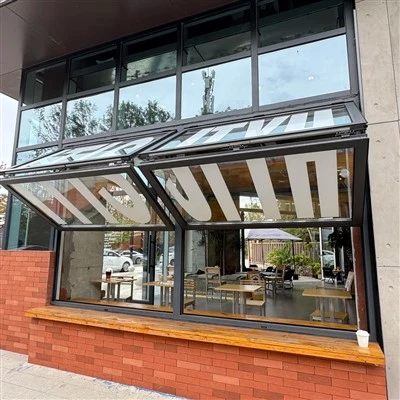
First off, let’s make sure we’re on the same page: a casement door is that one (or two) that swings open like a gate on hinges, usually on the side, right? No sliding track, no weird gaps that let drafts slip in. And when people pick these, they’re not just picking function—they’re picking a door that’s a focal point, especially for back patios, front entrances, or even sunrooms. So the finish isn’t just paint; it’s protection too. That’s a big part of what I tell my clients when they’re choosing: the finish you pick will make the door last 10 years or 30, so it’s not something to sleep on.
Let’s start with the most popular one right now: powder-coated. I can’t even count how many clients come in asking for this first, and for good reason. Powder coating isn’t just paint—wait, no, let’s get that straight: it’s a dry powder applied electrostatically, then baked on. It’s way tougher than regular paint, chipped way less, and has that smooth, even finish that looks sharp on everything from modern homes to cottage-style places. We stock every color under the sun for powder coating—matte black, soft white, navy blue, even woodgrain textures that look like real wood but without the upkeep. For people who live near the coast? This is my top rec. It resists salt air, rain, and UV way better than other finishes, so it won’t fade after a couple years like cheap paint will. I had a client in Miami last year who installed powder-coated casement doors on his beach house—they still look brand new, no peeling, no chalky residue, even after three hurricanes. The only tiny downside? If you scratch it deep, you can’t just touch it up with a little can of spray paint; you’ve got to have it professionally recoated. But that’s a rare issue, not a dealbreaker.
Next up, real wood finishes. These are for the folks who want that warm, natural, timeless look. Think cedar, oak, or pine casement doors, stained or sealed to show off the grain. I get it—nothing beats that organic vibe, especially for craftsman homes or farmhouses. But here’s the thing about wood finishes: they’re not set it and forget it. Stained wood needs re-sealing every 3-5 years, especially if it’s exposed to sun and rain. We use UV-resistant sealants for these, so they don’t fade fast, but you’ve still got to do the upkeep. A lot of my clients go for a semi-transparent stain, which lets the grain shine through but adds a layer of protection, or a solid stain that’s more like paint but still looks like wood. I also work with custom millwork guys who do hand-scraped wood finishes for ultra high-end projects—those doors look like they belong in a 100-year-old home, and people will pay a little more for that authentic, one-of-a-kind look. Just make sure you’re down for the maintenance if you pick wood. I always tell people: if you hate touching up your siding or trim, maybe go with something low-upkeep, but if you love sanding and staining? Wood’s for you.
Then there’s vinyl or PVC finishes. Wait, a lot of people think vinyl is just for windows, but we make killer casement doors out of vinyl too, all finished in smooth white, off-white, even light gray. These are the ultimate low-upkeep option—scrub them with a soapy sponge once a year and they look good. No sanding, no sealing, no touching up scratches (well, minor ones—deep ones still need a touch-up, but it’s way easier than wood). Vinyl finishes don’t fade either, and they’re super affordable, which is why they’re so popular for new construction. A lot of builders go with vinyl casement doors for spec homes because they hold their value and don’t add a ton of cost. The only knock on vinyl? Some people think it looks cheap, but we’ve got thicker, high-grade vinyl that has a really smooth, matte finish, not that plasticky, shiny look you might remember from 90s windows. I had a client who was dead set on wood until she saw our premium vinyl casement doors in her local design showroom—she ended up picking them for her back patio and couldn’t believe how similar they looked to wood, but with no work after installation.
Oh, and let’s not forget aluminum finishes. We make a lot of modern casement doors out of aluminum, finished in either powder coat (we already talked about that) or anodized. Anodizing is another metal finish, where the aluminum gets an electrolytic oxide layer that’s way more durable than paint. It comes in silver, bronze, black, even bronze-grey, and it has that sleek, industrial look that’s huge for contemporary homes. Anodized aluminum doesn’t chip or fade either, and it’s lighter than steel, so it’s good if you’re worried about weight on your hinges. I recently did a project for a downtown loft in Brooklyn—they used anodized black casement doors that open to a small fire escape, and they get direct sun all day. No fading, no scratches, still look sharp after two years.
Wait, what about painted wood, not stained? Oh right, we do that too. It’s a lot like regular interior door paint, but we use exterior-grade latex or oil-based paint that’s formulated to hold up outside. Painted wood casement doors come in every color, bright red, mustard yellow, whatever you want, so they’re perfect for adding a pop of color to a front entrance. But same as stained wood, they need a fresh coat every 4-6 years, and you have to make sure the surface is sanded and prepped right before painting, otherwise it’ll peel. I always tell clients to hire a pro for the first paint job, because a badly painted casement door will not only look trashy, it might not seal right and let drafts in.
Is there a finish I don’t stock? Maybe super exotic stuff like bronze or copper, but those are custom orders. Copper casement doors get that beautiful patina over time, which looks amazing on a rustic or coastal home, but it’s a big investment and requires occasional cleaning to keep the patina even. Bronze is similar, way heavy, super durable, but pricey. We only do those for clients who have a specific vision for a luxury project, so most people go for the powder coat or wood finishes I mentioned earlier.
Let me also talk about what not to do when picking a finish. Don’t just go for whatever color is trendy right now without thinking about your climate. If you live in a place with super hot summers, a dark powder-coated finish will absorb more heat, so the door might be warm to the touch when you open it. Light colors are better for hot areas. If you live somewhere with lots of rain or snow, avoid finishes that trap moisture—like cheap, thin paint on wood, which can lead to rot. And if you have kids or pets that might scratch the door? Powder coat or anodized aluminum is way more scratch-resistant than wood or vinyl, though vinyl does okay.
A lot of people ask me if you can mix finishes, like a white front door with a wood interior side? Absolutely, that’s a super popular look. We can do the exterior in powder-coated white, and the interior in a stained wood finish, so it matches your trim inside. No extra hassle, no extra cost for most custom orders.
Here’s the thing that sets our casement doors apart from other suppliers: I don’t just sell you a door and finish, I help you pick the right one for your space. I’ve seen clients pick a super trendy finish that looked terrible on their home’s architecture, or pick a low-upkeep finish that was way too expensive for their budget. That’s why I’m happy to answer any questions, send samples of every finish I stock, or even walk you through the pros and cons specific to your project.
If you’re renovating your home, building a new patio, or just need to replace some old casement doors, I’d love to chat. We can talk about your style, your climate, your budget, and find the perfect finish that works for you. No pushy sales stuff, just honest advice from someone who’s been doing this for years and cares about getting you a door that looks good and lasts.

Reach out anytime to start the conversation, or check out our portfolio of finished doors to see what each finish actually looks like in real homes. I’ll get back to you as soon as I can, promise.
Outdoor Products References:
- Window and Door Manufacturers Association. (2022). Exterior Door Finish Durability Guide. WDMA.
- National Association of Home Builders. (2021). Choosing Finishes for Exterior Casement Doors. NAHB Research Center.
- Powder Coating Institute. (2023). Performance Benefits of Powder-Coated Exterior Metal Products. PCI.
- U.S. Department of Energy. (2022). Energy Efficiency of Exterior Door Finishes and Materials. Energy.gov.
Foshan Hoview Windows and Doors Co., Ltd.
Foshan Hoview Windows and Doors Co., Ltd. is one of the most professional casement doors manufacturers and suppliers in China. Please feel free to buy durable casement doors in stock here and get quotation from our factory. All customized products are with high quality and competitive price.
Address: No. 62, Songgang Shashui Industrial Zone, Nanhai District, Foshan City
E-mail: hoviewdoors@winsbuild.com
WebSite: https://www.hoviewwindows.com/
