If you’ve ever ordered bulk soy sauce in IBC drums for your restaurant, manufacturing plant, or food distribution business, you’ve probably asked a question that comes up more often than you might think: “What’s really in this soy sauce?” As a third-generation supplier of custom-brewed, bulk soy sauce in IBC drums, I’ve fielded this question in every sales call, at every industry trade show, and even over casual coffee with a regular client who’s spent 20 years serving sushi and doesn’t want to surprise his regulars with a change in flavor. The short answer is that it depends on two key factors: how the soy sauce was brewed, and who’s manufacturing it. But let’s get past the sales pitch fluff and the grocery store label fine print—let’s break this down the way I’ve broken it down for my clients for the past 12 years. Soy Sauce in IBC Drum
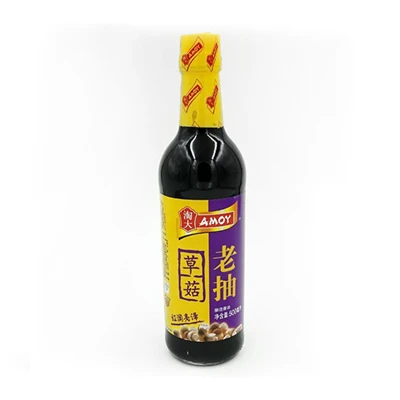
First, let’s start with the basics: what is soy sauce, really? Traditional, fermented soy sauce has only four core ingredients: soybeans, wheat, salt, and water. The process takes months—sometimes years—of natural fermentation, where a mold called Aspergillus oryzae breaks down the proteins and starches in the soybeans and wheat, then salt slows the process and feeds lactic acid bacteria that give soy sauce its distinct umami flavor. But not all soy sauce is made this way.
When a client first asks me about additives in IBC drum soy sauce, they’re usually worried about two things: unlisted chemicals that might change the taste of their finished product, or ingredients that might not align with their label claims (like if they market their line as “all natural”). I don’t blame them. A few years back, we had a client who switched to a cheaper bulk soy sauce from a different supplier—one that came in the same style of IBC drums, same 275-gallon size, looked identical on delivery. Within a week, his customers were complaining that his teriyaki sauce tasted “off,” like it had a bitter aftertaste that none of them remembered. It turned out that supplier wasn’t using traditional fermentation; they were using a chemical process called acid hydrolysis to break down soy and wheat in a matter of days, then adding a long list of additives to mimic the flavor of real brewed soy sauce. That included things like caramel color to darken it, monosodium glutamate (MSG) as a flavor enhancer, and even preservatives like sodium benzoate that aren’t needed in properly fermented soy sauce.
That story is a perfect example of why it’s so important to ask not just if there are additives, but what kind of additives, and why they’re there. Let’s separate the good, the bad, and the unnecessary when it comes to additives in bulk soy sauce stored in IBC drums.
First, let’s talk about the additives that are actually standard, necessary, and not harmful. You won’t find them front and center on a label, but if you order bulk soy sauce in IBC drums from any reputable supplier, these are usually present in small amounts, and they’re there to keep the product safe and consistent during bulk transport and long-term storage. Salt, for example, is a preservative, not just a flavor ingredient. Fermented soy sauce already has a high salt content, but when you’re moving 275 gallons across the country in an IBC drum, temperature fluctuations can happen—extreme heat or cold can speed up microbial growth, even in fermented products. A small amount of additional salt (we add just 2% more than we use in our small-batch brews) is a standard additive that prevents spoilage before the drum even reaches your loading dock.
We also use a tiny amount of sodium metabisulfite in our IBC drum soy sauce—less than 100 parts per million, which is well within the FDA’s safety limits for food additives. Before you wince at the chemical name, let’s explain why: IBC drums, even the food-grade HDPE drums we use, can develop a thin layer of bacteria or mold on the inner walls if the soy sauce sits for weeks during transport or storage. Sodium metabisulfite is a mild preservative that kills those microbes without changing the flavor, color, or nutritional profile of the soy sauce. It’s not there to extend shelf life indefinitely (our fermented soy sauce has a 12-month shelf life unopened, with no refrigeration needed), but to make sure when you open that drum, you get exactly the same product we brewed months ago. This isn’t some cheap trick—all the large-scale soy sauce producers use this, and it’s been recognized as safe by the World Health Organization for decades.
Now, the additives that you should ask about, because they’re either unnecessary or can be avoided if that’s a priority for your business. Caramel color is a big one. Some cheaper soy sauce producers will use caramel color to make their product darker, so it looks like it has more soy content, even if they used a lot of cheap wheat or chemical hydrolyzed protein. We never use caramel color in our IBC drum soy sauce, because our fermentation process gives us a deep, rich brown color naturally—no additives needed. If a supplier is telling you their soy sauce in IBC drums has “added caramel color,” ask them why. If their product is naturally light, that’s fine, but if they’re adding it to hide a weak flavor or a fast fermentation process, that’s a red flag.
MSG is another one that comes up all the time. A lot of customers assume MSG is a bad word, and while some people have mild sensitivities to it, the FDA has classified it as generally recognized as safe (GRAS). But here’s the thing: we don’t add MSG to our soy sauce, because our fermentation process produces glutamate naturally—that’s what gives soy sauce its umami flavor. If a supplier is adding MSG to their bulk IBC drum soy sauce, it’s almost always because their fermentation process didn’t produce enough natural glutamate, so they have to add it to mimic the flavor. That’s a difference you can taste, and it’s the difference between a soy sauce that tastes like it’s been brewed for months and one that tastes like a cheap, processed condiment.
The biggest myth I hear from new clients is that all additives in bulk soy sauce are there to trick you. That’s not true, but there are definitely suppliers that cut corners by adding unneeded or even unwanted additives to lower their production costs. For example, some will replace part of the soybeans with cheaper corn, and add preservatives to make up for the fact that the corn ferments less well than soybeans. Others will use modified cornstarch to thicken the soy sauce, so it looks more “substantial” in a dish, without adding any actual flavor. When a client comes to me complaining about a previous bad batch of bulk soy sauce, that’s usually what went wrong—they got a product that had more additives than it should, because the supplier was cutting corners to keep their prices low.
Let’s talk specifically about IBC drums, because the container makes a difference too. A lot of people ask me if storing soy sauce in an IBC drum introduces any additives, and that’s a fair question. We only use food-grade, BPA-free HDPE IBC drums for our soy sauce, and we line the inner layer with a food-safe epoxy resin that doesn’t leach any chemicals into the product. We’ve tested our drums for leachants multiple times over the years, and we’ve never had a batch of soy sauce that tasted like plastic or had any foreign chemical taste. Cheap, unlined IBC drums are a different story—some older drums that were used to store chemicals or non-food products can leach residue, which is why it’s so important to work with a supplier that uses new, food-grade IBC drums specifically for soy sauce. We never reuse drums for different products, either—if an IBC drum is empty of soy sauce, we clean it with food-grade sanitizer three times, then test it for microbial growth before we reuse it for the same product. We don’t mix different batches of soy sauce or store anything else in our IBC drums, because that would introduce cross-contamination and possibly additives from other products.
Another thing to consider is organic or non-GMO soy sauce, if that’s a priority for your business. We offer an organic line of bulk soy sauce in IBC drums, and we follow the USDA organic standards, which means no artificial additives, no chemical preservatives, and only organic soybeans and wheat. The only preservative we use in our organic line is salt, because sodium metabisulfite isn’t allowed in organic products. That means our organic IBC drum soy sauce has a slightly shorter shelf life—about 8 months unopened, instead of 12—but it’s 100% free of any synthetic additives, and we’ve never had a spoilage issue because we work with a third-party logistics provider that specializes in temperature-controlled shipping for food products. If you’re a restaurant that markets your menu as all organic, this is a non-negotiable, and you need to ask your supplier exactly what additives are in their organic line, because not all of them follow the same standards.
I’ve spent the last 12 years building my business on word of mouth, so I’ll be honest with you: when you’re ordering bulk soy sauce in IBC drums, you get what you pay for. The cheapest supplier might offer a lower per-gallon price, but if their product has a bunch of unlisted additives, or they’re using cheap ingredients to cut costs, you’ll end up losing customers, which is way more expensive than paying a little more for a high-quality product. A few years back, a local sushi chef came to me after losing three regular customers because his previous soy sauce supplier had switched to a cheaper line. He told me the new soy sauce didn’t stick to his sushi rice the same way, and had a slightly metallic aftertaste that he couldn’t place. When we tested the product, we found it had added sodium benzoate, a preservative that some customers are sensitive to, and modified wheat starch that wasn’t listed on the label. We switched him to our regular line, and within a month, he’d gotten all his old customers back. That’s the impact that additives in bulk soy sauce can have—they’re not just a “label issue,” they can directly affect your bottom line.
Let’s get back to the original question: Are there any additives in soy sauce stored in IBC drums? The answer is: only if you choose a supplier that uses them. If you work with a reputable, traditional soy sauce supplier like we are, the only additives in our IBC drum soy sauce are standard, food-safe preservatives like salt and a tiny amount of sodium metabisulfite (in our conventional line) to ensure the product is safe during transport, and no artificial flavor enhancers, colorants, or unnecessary additives. If you prioritize an additive-free product, we offer an organic line that has no synthetic additives at all, made with just four core ingredients, fermented over six months, and stored in food-grade IBC drums.
At the end of the day, every business has different needs. A large food manufacturing plant that makes 10,000 teriyaki bowls a month might care more about consistent flavor and long shelf life, so the small amount of preservatives we add is a non-issue. A small, farm-to-table sushi restaurant might care more about zero additives, so our organic line is the right fit. That’s why we always sit down with our clients, ask them about their specific needs, their budget, and their label requirements, before we recommend a bulk soy sauce in IBC drums that works for them.
If you’re tired of dealing with inconsistent soy sauce, hidden additives that ruin your dishes, or suppliers that cut corners to offer low prices, we’re here to help. We’ve been supplying bulk soy sauce in IBC drums to restaurants, food manufacturers, and distributors across the country for over a decade, and we’d be happy to share a sample, answer any questions about our ingredients or storage process, or work with you to customize a product that fits your exact needs. To learn more and start a conversation about your bulk soy sauce needs, reach out to our team today.
Mushroom Soy Sauce References
- U.S. Food and Drug Administration. (2024). Generally Recognized as Safe (GRAS) Substances Database.
- World Health Organization. (2022). Safety Evaluation of Sodium Metabisulfite as a Food Additive.
- American Soybean Association. (2023). Traditional Fermented Soy Sauce Production and Ingredient Standards.
- USDA Agricultural Marketing Service. (2024). Organic Food Production Standards and Requirements.
- National Restaurant Association. (2023). Bulk Food Storage and Transportation Best Practices for IBC Containers.
Fudijia (Tianjin) Supply Chain Co., Ltd.
As one of the most professional soy sauce in ibc drum manufacturers and suppliers in China, we’re featured by quality products and low price. Please rest assured to wholesale bulk soy sauce in ibc drum made in China here from our factory. For pricelist, contact us now.
Address: 301-2-1C, Jin Bin Jie Zuo, No.98, Huanghai Road, TEDA, Tianjin, China
E-mail: condiment@hjlfoods.com
WebSite: https://www.icondiments.com/
